
The Ballerina's Choice
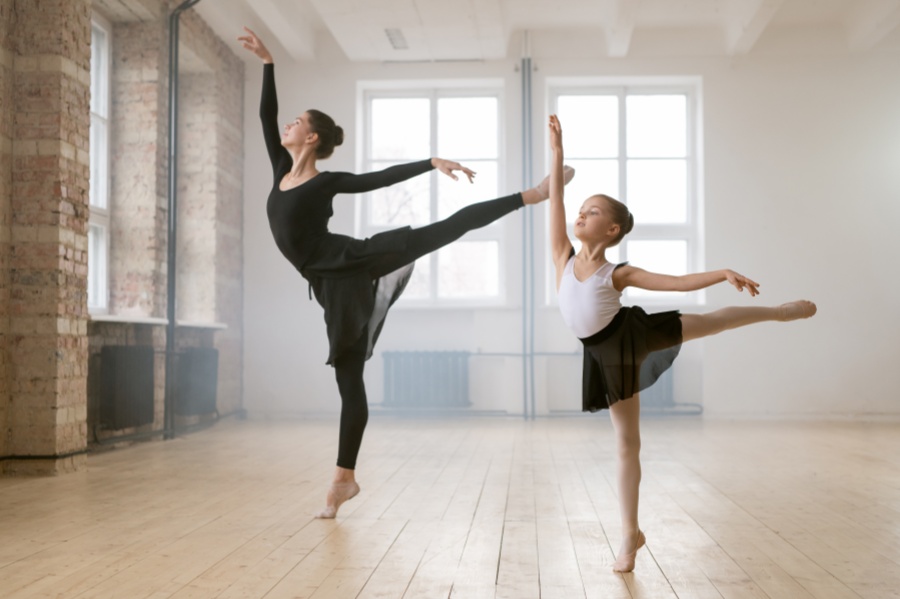
A girl loves ballet and wants to be a dancer. But one man's words make her give up. Years later, she learns the truth. This HSK 4 story shows us that our future is decided by our own choices, not by what others say.
翻译 Translation
一个女孩儿从小学习芭蕾舞,她想考舞蹈学院,把跳舞当成一辈子的事。但她想知道自己有没有这个才能。有一个芭蕾舞团来到她住的城市演出,她就跑去见团长。
A girl learned ballet from a young age. She wanted to apply to a dance academy and make dancing her lifelong career. But she wanted to know if she had this talent. A ballet troupe came to perform in the city where she lived, so she ran to see the director.
女孩儿说:“我想成为最好的芭蕾舞演员,但我不知道自己有没有这个才能。”“你跳一段舞给我看。”团长说。5分钟后,团长打断了她,摇头说:“你没有这个才能。”
The girl said, “I want to become the best ballet dancer, but I don’t know if I have this talent.” “Dance a piece for me,” the director said. After 5 minutes, the director interrupted her, shook his head, and said, “You don’t have this talent.”

Unlock this content and all premium features with a membership. Get access to graded HSK lessons, reading materials, grammar breakdowns, online tests, and more!

Already a member? Sign in.
芭蕾舞
ballet
noun
她从小就开始学习芭蕾舞。
She started learning ballet from a young age.
女孩儿
girl
noun
那个女孩儿唱歌非常好听。
That girl sings very beautifully.
从小
from childhood
adverb
他从小就喜欢画画。
He has liked drawing since childhood.
考
to take an exam; to apply for
verb
她今年想考北京大学。
She wants to apply to Peking University this year.
舞蹈
dance
noun
她喜欢看舞蹈表演。
She likes watching dance performances.
学院
academy; college
noun
他在音乐学院学习钢琴。
He studies piano at the music academy.
一辈子
whole life; lifetime
noun
他们决定一辈子在一起。
They decided to be together for a lifetime.
才能
talent; ability
noun
他在音乐方面很有才能。
He has great talent in music.
舞团
dance troupe
noun
这个舞团在世界各地演出。
This dance troupe performs all over the world.
演出
to perform; performance
verb/noun
今晚的演出非常精彩。
Tonight’s performance was very wonderful.
团长
troupe leader; director
noun
团长对每个演员都很严格。
The troupe leader is strict with every performer.
成为
to become
verb
他想成为一名医生。
He wants to become a doctor.
演员
actor; performer
noun
她是一名电影演员。
She is a movie actor.
打断
to interrupt
verb
请不要打断别人的话。
Please don’t interrupt others.
摇头
to shake one’s head
verb
他摇了摇头,表示不同意。
He shook his head to show he disagreed.
难过
sad; upset
adjective
听到这个消息,她很难过。
Hearing this news, she was very sad.
舞鞋
dance shoes
noun
她买了一双新的舞鞋。
She bought a new pair of dance shoes.
扔
to throw
verb
请不要随便扔垃圾。
Please don’t throw rubbish casually.
箱子
box; suitcase
noun
这个箱子里装的是书。
What is packed in this box is books.
结婚
to get married
verb
他们打算明年结婚。
They plan to get married next year.
超市
supermarket
noun
我每周都去超市买东西。
I go to the supermarket to buy things every week.
服务员
waiter; clerk; service worker
noun
这家饭馆的服务员态度很好。
The waiters at this restaurant have a very good attitude.
剧院
theater
noun
我们今晚去剧院看戏。
We are going to the theater to see a play tonight.
门口
doorway; entrance
noun
他在门口等我。
He is waiting for me at the entrance.
碰到
to run into; to meet by chance
verb
我在街上碰到了老朋友。
I ran into an old friend on the street.
当初
originally; at that time
noun
当初我就不应该相信他。
I shouldn’t have believed him back then.
看出
to see; to tell; to make out
verb
我看出他今天心情不好。
I can tell he is in a bad mood today.
并
actually; (not) at all
adverb
我并没有生气。
I was not angry at all.
毁
to ruin; to destroy
verb
一场大火毁了他的房子。
A big fire destroyed his house.
本来
originally; at first
adverb/adjective
我本来想去公园,后来下雨了。
I originally wanted to go to the park, but later it rained.
认为
to think; to believe
verb
我认为这个办法很好。
I think this method is very good.
如果
if
conjunction
如果明天不下雨,我们就去公园。
If it doesn’t rain tomorrow, we will go to the park.
真的
really; true
adverb/adjective
他真的不知道这件事。
He really doesn’t know about this.
舞蹈家
dancer
noun
她梦想成为一名舞蹈家。
She dreams of becoming a dancer.
在意
to care about; to mind
verb
她不在意别人怎么看她。
She doesn’t care how others see her.
人生
life
noun
人生中总会有起有落。
Life always has its ups and downs.
成功
success; to succeed; successful
noun/verb/adjective
他的努力终于成功了。
His efforts finally succeeded.
失败
failure; to fail
noun/verb
失败是成功之母。
Failure is the mother of success.
靠
to rely on; to depend on
verb/preposition
我们不能总是靠父母。
We cannot always rely on our parents.
机会
opportunity; chance
noun
这是一个很好的机会。
This is a very good opportunity.
选择
to choose; choice
verb/noun
你可以选择自己喜欢的颜色。
You can choose the color you like.
完全
completely; complete
adverb/adjective
我完全同意你的看法。
I completely agree with your view.
别人
others; other people
pronoun
我们要尊重别人。
We should respect others.
安排
to arrange; arrangement
verb/noun
老师安排我们明天去参观。
The teacher arranged for us to visit tomorrow.
帮助
to help; help
verb/noun
谢谢你的帮助。
Thank you for your help.
一定
definitely; certainly
adverb
我一定会帮你。
I will definitely help you.
努力
to work hard; hardworking
verb/adjective
只要努力,就会进步。
As long as you work hard, you will improve.
创造
to create; creation
verb/noun
劳动人民创造了历史。
The working people created history.
未来
future
noun
我们要为未来做好准备。
We need to prepare well for the future.
跳舞
to dance
verb
她从小就喜欢跳舞。
She has liked dancing since childhood.
把……当成…… (bǎ... dàngchéng...)
“把……当成……” means “to treat... as...” or “to regard... as...”. It uses the 把-structure to show how someone views something. The structure is “把 + A + 当成 + B.”
她想把跳舞当成一辈子的事。
She wanted to make dancing her lifelong career.
他把小猫当成了自己的家人。
He treated the kitten as his own family.
你不要把别人的帮助当成理所当然。
Don’t take others’ help for granted.
如果……是不会……的 (rúguǒ... shì bú huì... de)
“如果……是不会……的” means “if..., one would not...”. It is used to make a hypothetical judgment. The structure is “如果 + condition, 是不会 + result + 的.”
如果你真的想成为舞蹈家,你是不会在意我说的话的。
If you really wanted to become a dancer, you would not care about what I said.
如果他是你的好朋友,他是不会骗你的。
If he were your good friend, he would not lie to you.
如果你努力了,是不会没有收获的。
If you work hard, you will not gain nothing.
不只……也…… (bù zhǐ... yě...)
“不只……也……” means “not only... but also...”. It is used to add a second point. The structure is “不只 + A + 也 + B.”
人生的成功和失败,不只是靠机会,也是一种选择。
Success and failure in life not only depend on opportunity; they are also a choice.
他不只喜欢音乐,也喜欢运动。
He not only likes music, but also likes sports.
学习汉语不只要多听,也要多说。
Learning Chinese requires not only listening more, but also speaking more.
芭蕾舞女孩的选择
Subscribe
Login
0 Comments
Newest