
Fan Circle Culture: Love or Harm?
What is China's "fan circle" culture—and why does it attract so many young people? It offers belonging, achievement, and friendship, but also pressure, conflict, and spending. This HSK 5 reading explores both sides, and asks the real question: how can fans keep their love rational?
翻译 Translation
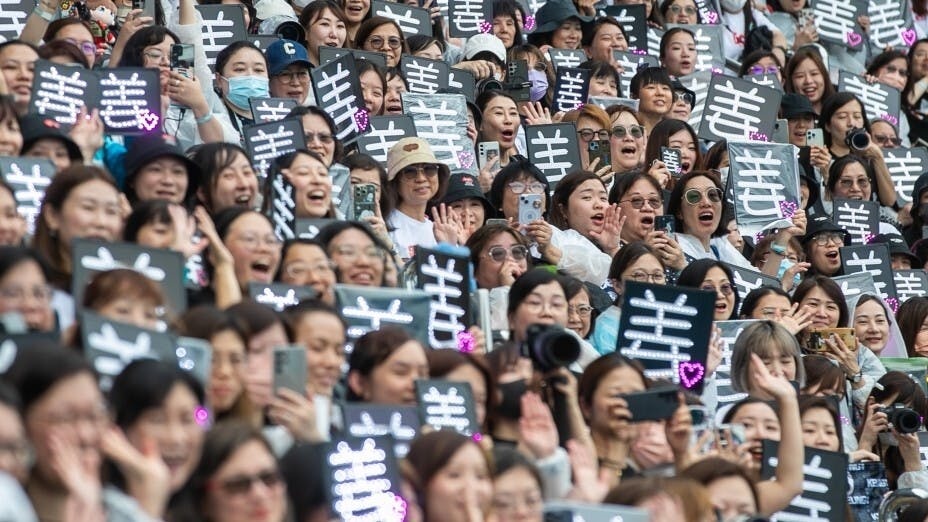
如果你关注中国的社交媒体,你一定经常看到“饭圈”这个词。“饭”是英文“fan”的音译,“圈”表示一个群体或圈子。因此,饭圈指的就是粉丝们组成的社群。最初,这只是一群喜欢同一个明星的人聚集在一起交流的地方。然而,随着互联网的发展,饭圈逐渐变成了一种复杂的文化现象。
If you follow Chinese social media, you must often see the word "fan circle." "Fan" is a transliteration of the English word "fan," and "quan" means a group or circle. Therefore, fan circle refers to a community made up of fans. At first, it was just a place for a group of people who liked the same star to gather and communicate. However, with the development of the Internet, fan circles gradually became a complex cultural phenomenon.
饭圈文化之所以吸引这么多年轻人,主要有几个原因。首先,粉丝们在饭圈里能够找到归属感——他们和其他人拥有相同的爱好,彼此之间很容易产生共鸣。其次,通过参与饭圈的活动,比如为偶像投票、购买专辑、组织线下应援,粉丝们会感到自己正在帮助偶像成长。这种成就感让人满足。此外,饭圈还提供了社交的机会,很多粉丝通过饭圈认识了新朋友。
There are several main reasons why fan circle culture attracts so many young people. First, fans can find a sense of belonging in fan circles—they share the same interests with others, and it is easy for them to resonate with each other. Second, by participating in fan circle activities, such as voting for idols, buying albums, and organizing offline support events, fans feel that they are helping their idols grow. This sense of achievement makes people feel satisfied. In addition, fan circles also provide opportunities for socializing; many fans meet new friends through fan circles.

Unlock this content and all premium features with a membership. Get access to graded HSK lessons, reading materials, grammar breakdowns, online tests, and more!

Already a member? Sign in.
关注
to follow; to pay attention to
verb
我一直在关注这家公司的新产品。
I have been following this company's new products.
社交媒体
social media
noun
社交媒体让人们更容易分享生活。
Social media makes it easier for people to share their lives.
音译
transliteration
noun
很多外来词都是通过音译进入汉语的。
Many loanwords entered Chinese through transliteration.
群体
group
noun
这个群体的人数正在不断增加。
The number of people in this group is continuously increasing.
圈子
circle; social group
noun
他的朋友圈子不大,但关系都很好。
His circle of friends is not large, but their relationships are all very good.
粉丝
fan
noun
这位歌手的粉丝来自世界各地。
This singer's fans come from all over the world.
社群
community
noun
他们建立了一个学习社群,互相帮助。
They created a learning community to help each other.
聚集
to gather
verb
下课以后,学生们聚集在操场上。
After class, the students gather on the playground.
交流
to communicate; communication
verb/noun
多和同学交流,你会学到更多。
Communicate more with classmates, and you will learn more.
互联网
Internet
noun
互联网改变了我们的生活方式。
The Internet has changed our way of life.
逐渐
gradually
adverb
经过努力,他逐渐提高了汉语水平。
Through effort, he gradually improved his Chinese.
复杂
complex
adjective
这个问题比我想象的更复杂。
This problem is more complex than I imagined.
现象
phenomenon
noun
这是一种很常见的社会现象。
This is a very common social phenomenon.
吸引
to attract
verb
这部电影吸引了很多年轻观众。
This movie attracted many young viewers.
年轻人
young people
noun
年轻人应该勇敢地追求梦想。
Young people should bravely pursue their dreams.
原因
reason; cause
noun
他迟到的主要原因是没有赶上地铁。
The main reason he was late was that he did not catch the subway.
归属感
sense of belonging
noun
在新的班级里,他很快找到了归属感。
In the new class, he quickly found a sense of belonging.
共鸣
resonance; to resonate
noun/verb
他的经历让很多人产生了共鸣。
His experience resonated with many people.
参与
to participate
verb
欢迎更多同学参与这次活动。
More classmates are welcome to participate in this activity.
偶像
idol
noun
他的偶像是一位著名的科学家。
His idol is a famous scientist.
投票
to vote
verb
请大家为最喜欢的作品投票。
Please vote for your favorite work.
专辑
album
noun
她新出的专辑很受欢迎。
Her newly released album is very popular.
组织
to organize; organization
verb/noun
学校组织了一次校外参观。
The school organized an off-campus visit.
线下
offline
noun/adjective
除了线上课程,我们还有线下活动。
Besides online courses, we also have offline activities.
应援
fan support; to support an idol
noun/verb
粉丝们用各种方式为偶像应援。
Fans support their idols in various ways.
成就感
sense of achievement
noun
完成这个项目让我很有成就感。
Completing this project gave me a strong sense of achievement.
满足
satisfied; to satisfy
adjective/verb
能帮助别人,他感到很满足。
Being able to help others made him feel very satisfied.
社交
social interaction; socializing
noun/verb
参加社交活动可以帮助你认识新朋友。
Participating in social activities can help you meet new friends.
机会
opportunity; chance
noun
这是一个难得的学习机会。
This is a rare learning opportunity.
极端
extreme
adjective/noun
我们应该避免极端的想法。
We should avoid extreme ideas.
攻击
to attack; attack
verb/noun
在网上攻击别人是不对的。
Attacking others online is wrong.
制造
to create; to make; to cause
verb
他的玩笑制造了一些误会。
His joke caused some misunderstandings.
矛盾
conflict; contradiction; contradictory
noun/adjective
他们因为一件小事产生了矛盾。
They had a conflict because of a small matter.
冲突
conflict; to clash
noun/verb
两个人发生了激烈的冲突。
The two people had a fierce conflict.
消费
to consume; consumption
verb/noun
我们应该理性消费,不要浪费。
We should consume rationally and not waste.
压力
pressure; stress
noun
工作压力太大时,要学会放松。
When work pressure is too great, you need to learn to relax.
产品
product
noun
这家公司的新产品很受市场欢迎。
This company's new product is very popular in the market.
甚至
even
adverb/conjunction
他太忙了,甚至没有时间吃饭。
He is so busy that he does not even have time to eat.
支持
to support; support
verb/noun
我支持你做出自己的选择。
I support you in making your own choice.
观念
concept; idea; mindset
noun
随着时代变化,人们的观念也在改变。
As times change, people's ideas are also changing.
价值观
values
noun
不同的家庭可能有不同的价值观。
Different families may have different values.
负面
negative
adjective
消极的想法会带来负面影响。
Negative thoughts can bring negative effects.
影响
influence; impact; to affect
noun/verb
父母的行为对孩子有很大的影响。
Parents' behavior has a great influence on children.
面对
to face; to confront
verb
面对困难,我们不应该轻易放弃。
When facing difficulties, we should not give up easily.
表达
to express
verb
他不太会表达自己的感情。
He is not very good at expressing his feelings.
热爱
deep love; to love passionately
noun/verb
她对音乐的热爱感动了很多人。
Her love for music moved many people.
不必
no need; need not
adverb
你不必为这件小事担心。
You do not need to worry about this small matter.
过度
excessive; excessively
adjective/adverb
过度使用手机对眼睛不好。
Using mobile phones excessively is bad for your eyes.
担忧
to worry; worry
verb/noun
父母总是担忧孩子的安全。
Parents always worry about their children's safety.
指出
to point out
verb
老师指出了我作文中的问题。
The teacher pointed out the problems in my essay.
引导
to guide
verb
家长应该引导孩子正确使用网络。
Parents should guide children to use the Internet correctly.
规范
to regulate; standard; norm
verb/noun
这个行业需要更严格的法律规范。
This industry needs stricter legal regulations.
否则
otherwise
conjunction
快点走吧,否则我们会迟到。
Let's hurry, otherwise we will be late.
伤害
to harm; harm
verb/noun
语言有时也会伤害别人。
Words can sometimes hurt others.
自身
oneself; self
pronoun/noun
我们要先了解自身的优点和缺点。
We should first understand our own strengths and weaknesses.
关键
key; crucial
noun/adjective
成功的关键在于坚持。
The key to success lies in persistence.
看待
to view; to treat
verb
我们应该用积极的态度看待问题。
We should view problems with a positive attitude.
运用
to use; to apply
verb
学会运用知识比记住知识更重要。
Learning to apply knowledge is more important than memorizing it.
保持
to maintain; to keep
verb
无论多忙,都要保持运动。
No matter how busy you are, you should keep exercising.
理性
rational; rationality
adjective/noun
遇到问题时,我们要保持理性。
When we encounter problems, we should stay rational.
充满
to be full of
verb
这个房间充满了阳光。
This room is full of sunlight.
温暖
warm; warmth
adjective/noun
她的话让我感到很温暖。
Her words made me feel very warm.
饭圈:是爱还是伤害?
Subscribe
Login
0 Comments
Newest