
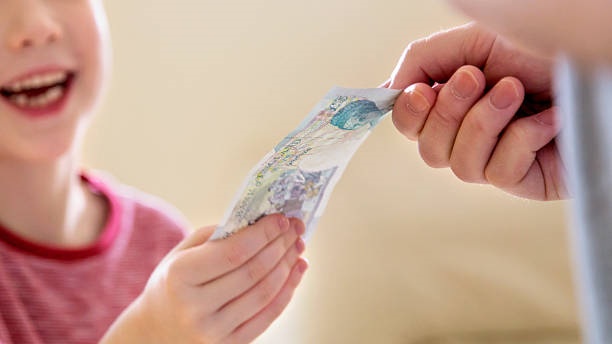
Buying One Hour
How much is one hour worth? A child asks for money. A tired father feels annoyed. But sometimes, what looks like a request for money is really a request for attention. This HSK 3 story is about what we choose to spend our time on.
翻译 Translation
爸爸下班回到家,已经很晚了,非常累。他发现七岁的儿子还在门口等他。
Dad came home from work. It was already very late, and he was very tired. He found his seven-year-old son still waiting for him at the door.
儿子问:“爸,您一个小时可以赚多少钱?”“我想想,大概是二十块。”
The son asked, “Dad, how much can you earn in one hour?” “Let me think. Probably 20 yuan.”

Unlock this content and all premium features with a membership. Get access to graded HSK lessons, reading materials, grammar breakdowns, online tests, and more!

Already a member? Sign in.
爸爸
father; dad
noun
我爸爸每天早上都去公园跑步。
My dad goes running in the park every morning.
下班
to get off work
verb
妈妈下班以后常常去超市买东西。
Mom often goes to the supermarket to buy things after work.
回到
to return to; to get back to
verb
弟弟回到房间,开始做作业。
Younger brother goes back to his room and starts doing homework.
已经
already
adverb
火车已经开走了。
The train has already left.
晚
late
adjective/adverb
今天太晚了,我们明天再去吧。
It is too late today. Let’s go tomorrow.
非常
very; extremely
adverb
这家饭馆的菜非常好吃。
The food at this restaurant is very delicious.
累
tired
adjective
走了很多路,我的腿有点儿累。
After walking a lot, my legs are a little tired.
发现
to find; to discover
verb
我发现桌子上有一本书。
I found that there is a book on the table.
岁
year (of age)
measure word
我妹妹今年五岁。
My younger sister is five years old this year.
儿子
son
noun
他的儿子喜欢画画。
His son likes drawing.
还
still; also
adverb
商店还没开门。
The shop has not opened yet.
门口
doorway; entrance
noun
学校门口有很多学生。
There are many students at the school gate.
等
to wait
verb
我在车站等朋友。
I am waiting for a friend at the station.
问
to ask
verb
学生问老师一个问题。
The student asks the teacher a question.
小时
hour
noun
我每天运动一个小时。
I exercise for one hour every day.
可以
can; may
verb/auxiliary
你可以帮我拿一下书吗?
Can you help me carry the books for a moment?
赚
to earn
verb
他想赚一些钱去旅行。
He wants to earn some money to travel.
多少
how much; how many
pronoun
这个苹果多少钱?
How much is this apple?
钱
money
noun
我的钱不够买那本书。
I don’t have enough money to buy that book.
想
to want; to think
verb
我想去公园散步。
I want to go to the park for a walk.
大概
probably; approximately
adverb
他大概三点到学校。
He will probably arrive at school at three.
块
yuan (unit of money); piece
measure word
一杯咖啡十块钱。
A cup of coffee is ten yuan.
小孩
child
noun
那个小孩在草地上玩儿。
That child is playing on the grass.
借
to borrow; to lend
verb
我借了同学一支笔。
I borrowed a pen from a classmate.
尽管
although; even though
conjunction
尽管下雨了,我们还是去了商店。
Although it rained, we still went to the shop.
父亲
father
noun
父亲常常带我去爬山。
Father often takes me to climb mountains.
有些
somewhat; some
adverb/pronoun
今天有些冷,多穿一点儿衣服。
It is a little cold today. Wear a little more clothing.
生气
angry; to get angry
adjective/verb
弟弟弄坏了我的书,我很生气。
Younger brother ruined my book, and I am very angry.
但是
but
conjunction
我想去,但是我没有时间。
I want to go, but I don’t have time.
还是
still; or
adverb/conjunction
外面下雨,我们还是在家吧。
It is raining outside. We should still stay at home.
拿出
to take out
verb phrase
她从包里拿出一张地图。
She took a map out of her bag.
感谢
to thank
verb
感谢你帮我找到手机。
Thank you for helping me find my phone.
一边
while; at the same time
adverb
他一边听音乐,一边做作业。
He listens to music while doing homework.
另外
another; besides
pronoun/adverb
这个颜色不好看,请给我另外一件。
This color does not look good. Please give me another one.
向
to; from
preposition
我向朋友借了一本词典。
I borrowed a dictionary from a friend.
买
to buy
verb
妈妈去市场买水果。
Mom goes to the market to buy fruit.
时间
time
noun
周末我有时间看电影。
I have time to watch a movie on the weekend.
明天
tomorrow
noun
明天我们去图书馆吧。
Let’s go to the library tomorrow.
早
early
adjective/adverb
今天早上我六点就起床了。
This morning I got up at six.
一点儿
a little
phrase
请说慢一点儿,我听不清楚。
Please speak a little more slowly. I cannot hear clearly.
回家
to go home
verb phrase
放学以后,我马上回家。
After school, I go home right away.
一起
together
adverb
我们一起去操场打球吧。
Let’s go to the playground to play ball together.
吃晚饭
to eat dinner
verb phrase
我们七点吃晚饭。
We eat dinner at seven.
和
and; with
conjunction/preposition
我和姐姐都喜欢唱歌。
My older sister and I both like singing.
不
not
adverb
这个盒子不重。
This box is not heavy.
买一个小时
Subscribe
Login
0 Comments
Newest