
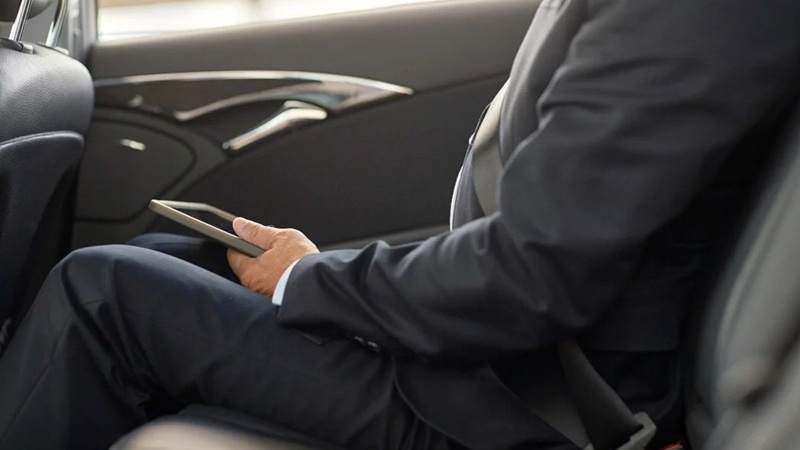
Car Etiquette
Where is the safest seat in a car? And which seat should you offer a guest? The answers may surprise you. This HSK 5 reading unpacks the etiquette and science of car seating—polite choices, hidden dangers, and the one rule that matters most.
翻译 Translation
乘车是我们日常中最常见的事情,可是关于乘车,特别是在公务接待中的乘车“规矩”,你是否了解呢?乘车时,应该把哪个座位留给客人,才是最礼貌的做法呢?
Riding in a car is one of the most common things in our daily life. But when it comes to car seating—especially the "rules" for official receptions—do you really understand them? When riding in a car, which seat should be left for the guest? What is the most polite way to do it?
对于普通轿车而言,如果是主人自驾车陪客人出去游玩,那么副驾驶座就是最有礼貌的座位。而在公务接待中,副驾驶座后面的座位是最礼貌的座位。公务接待时,副驾驶座被称为“随员座”,一般是翻译、秘书的位置,让客人坐在这里是不礼貌的。
For an ordinary car, if the host is driving and taking guests out for fun, then the front passenger seat is the most polite seat. But in official receptions, the seat behind the front passenger seat is the most polite seat. During official receptions, the front passenger seat is called the "attendant seat," usually the position for a translator or secretary. Letting a guest sit there is impolite.

Unlock this content and all premium features with a membership. Get access to graded HSK lessons, reading materials, grammar breakdowns, online tests, and more!

Already a member? Sign in.
乘车
to ride in a vehicle; ride
verb/noun
我每天乘车去公司。
I ride to work every day.
日常
daily life; daily
noun/adjective
运动已经成为他日常的一部分。
Exercise has become part of his daily life.
常见
common
adjective
感冒是常见的小病。
A cold is a common minor illness.
关于
about; regarding
preposition
我们在讨论关于旅行的问题。
We are discussing questions about travel.
特别
especially; special
adverb/adjective
今天特别冷。
Today is especially cold.
公务
official business
noun
他这次出差是去处理公务。
He is going on a business trip to handle official business.
接待
to receive; reception
verb/noun
公司热情地接待了客人。
The company warmly received the guests.
规矩
rule; custom
noun
每个地方都有自己的规矩。
Every place has its own rules.
是否
whether or not
adverb
我不知道他是否会来。
I don't know whether he will come.
了解
to understand; to know about
verb
我很了解他的性格。
I understand his personality very well.
座位
seat
noun
这个座位有人吗?
Is this seat taken?
留给
to leave for; to save for
verb phrase
请把最好的位置留给客人。
Please leave the best seat for the guest.
客人
guest
noun
今天家里来了一位客人。
A guest came to our home today.
礼貌
polite; politeness
adjective/noun
对长辈要有礼貌。
You should be polite to elders.
做法
way of doing something; practice
noun
这种做法很常见。
This way of doing things is very common.
普通
ordinary; common
adjective
这是一辆很普通的车。
This is a very ordinary car.
轿车
car; sedan
noun
他买了一辆新轿车。
He bought a new car.
主人
host; owner
noun
主人热情地欢迎我们。
The host warmly welcomed us.
自驾车
to drive oneself; self-driving car
verb/noun
我们打算自驾车去旅行。
We plan to drive ourselves for the trip.
陪
to accompany
verb
我陪你一起去医院。
I will accompany you to the hospital.
副驾驶座
front passenger seat
noun
他坐在副驾驶座上。
He sits in the front passenger seat.
之后
after; afterwards
noun/conjunction
下课之后,我们去吃饭。
After class, we go to eat.
随员座
attendant seat
noun
在公务接待中,随员座一般不是客人的位置。
In official receptions, the attendant seat is usually not the guest's seat.
翻译
translator; to translate
noun/verb
他是一名英语翻译。
He is an English translator.
秘书
secretary
noun
秘书正在安排会议。
The secretary is arranging the meeting.
位置
position; place
noun
请回到自己的位置。
Please return to your own place.
礼仪
etiquette
noun
中国餐桌礼仪很有意思。
Chinese table etiquette is very interesting.
考虑
to consider; consideration
verb/noun
我们需要考虑这个问题。
We need to consider this problem.
多数
majority; most
noun/pronoun
多数学生喜欢运动。
Most students like sports.
关心
to care about; concern
verb/noun
父母很关心孩子的健康。
Parents care very much about their children's health.
安全
safe; safety
adjective/noun
过马路要注意安全。
Pay attention to safety when crossing the road.
相对
relative; relatively
adjective/adverb
这个问题相对简单。
This problem is relatively simple.
交通
traffic; transportation
noun
这里的交通很方便。
The transportation here is very convenient.
管理
to manage; management
verb/noun
他管理着一家大公司。
He manages a large company.
部门
department
noun
我在销售部门工作。
I work in the sales department.
资助
to fund; financial support
verb/noun
这家公司资助了很多学生。
This company funded many students.
专家
expert
noun
专家给出了很好的建议。
The expert gave very good advice.
小组
group; team
noun
我们小组有五个人。
Our group has five people.
专门
specially; specialized
adverb/adjective
他专门来北京看你。
He came to Beijing specially to see you.
研究
to study; research
verb/noun
他正在研究这个问题。
He is studying this problem.
通过
through; to pass
preposition/verb
通过努力,他成功了。
Through hard work, he succeeded.
事故
accident
noun
那场事故没有造成人员受伤。
That accident did not cause any injuries.
调查
to investigate; investigation
verb/noun
警察正在调查这件事。
The police are investigating this matter.
分析
to analyze; analysis
verb/noun
我们一起分析这个问题。
Let's analyze this problem together.
检测
to test; testing
verb/noun
汽车需要定期检测。
Cars need regular testing.
结论
conclusion
noun
我们得出了相同的结论。
We reached the same conclusion.
相比
to compare; compared with
verb/preposition
和去年相比,今年更忙。
Compared with last year, this year is busier.
后排
back row; rear seat
noun
他喜欢坐在后排。
He likes sitting in the back row.
正中间
exact middle
noun
桌子正中间放着一盆花。
A pot of flowers is placed in the exact middle of the table.
乘客
passenger
noun
车上的乘客都系了安全带。
All the passengers in the car wore seat belts.
把……留给…… (bǎ... liú gěi...)
"把……留给……" means "to leave... for..." or "to save... for...". It uses the 把-structure to emphasize what is being arranged for someone. The structure is "把 + object + 留给 + person/use." It is common when talking about seats, rooms, time, or opportunities.
乘车时,应该把哪个座位留给客人?
When riding in a car, which seat should be left for the guest?
请把这个位置留给需要的人。
Please leave this seat for someone who needs it.
主人把最好的房间留给了客人。
The host left the best room for the guest.
由……到…… (yóu... dào...)
"由……到……" means "from... to..." and is used to show a range, order, or process. It can describe direction, level, time, or sequence. The structure is "由 + starting point + 到 + ending point." It often appears in formal or written Chinese.
安全性由大到小可排列为:后排中间座位、驾驶员后面座位……
Safety can be arranged from high to low as: the middle back seat, the seat behind the driver...
价格由高到低排列。
The prices are arranged from high to low.
学习由易到难。
Learning goes from easy to difficult.
除非……否则…… (chúfēi... fǒuzé...)
"除非……否则……" means "unless... otherwise...". It shows that only if a certain condition is met can a bad or unwanted result be avoided. The structure is "除非 + condition, 否则 + result." It is very useful for warnings, rules, and strong advice.
除非车上所有人员都系上安全带,否则再安全的汽车也无济于事。
Unless everyone in the car wears a seat belt, even the safest car is useless.
除非明天下雨,否则我们一定去公园。
Unless it rains tomorrow, we will definitely go to the park.
除非你同意,否则我不能走。
Unless you agree, I cannot leave.
乘车礼仪
Subscribe
Login
0 Comments
Newest