
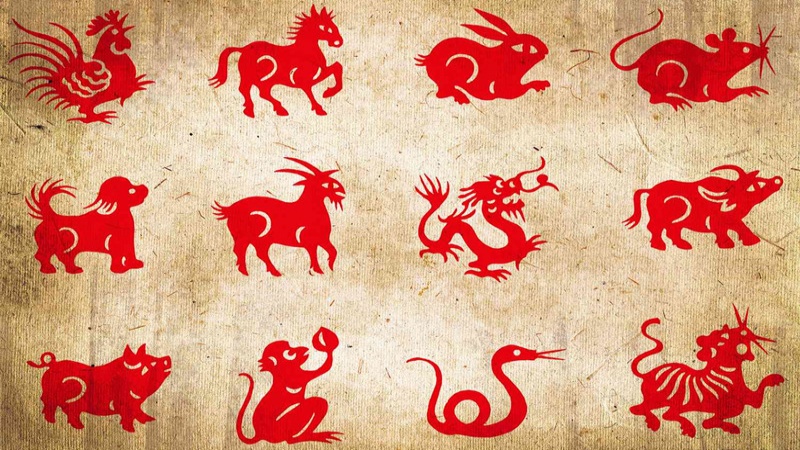
The Twelve Chinese Zodiac Animals and the “Benming Year” (Zodiac Year)
Why does your birth year come with an animal—and a warning? The Chinese zodiac is not just a cute calendar. It carries fortune, personality, and even a "threshold year" that many people try to survive with red underwear. This HSK 6 reading explores the twelve animals and the mysterious year of your own sign.
翻译 Translation
十二生肖,又称属相,是代表人出生年份的十二种动物,按照顺序为鼠、牛、虎、兔、龙、蛇、马、羊、猴、鸡、狗、猪。
The twelve zodiac animals, also called "birth signs," are the twelve animals that represent the year a person was born. In order, they are: rat, ox, tiger, rabbit, dragon, snake, horse, goat, monkey, rooster, dog, and pig.
在中国传统文化中,每个生肖都有其独特的象征意义。拿鼠来说,鼠有着子孙繁衍、家族兴旺、生生不息的寓意。而且,它们特别机警应变,在逆境中也不退缩;牛是勤奋朴实、勤劳致富、勇武倔强的象征。它默默无闻、勤劳憨厚、甘于奉献;虎是百兽之王,有威武勇猛、豪爽正义、气宇轩昂、四方安康的寓意;兔子具有温柔文静、机智敏捷、善良的寓意。兔子在森林中是比较胆小的,在人们心中,兔子是可爱的,是美丽的,所以有自然脱俗的感觉;龙是尊贵神圣、能屈能伸、国泰民安的寓意。龙自古就是帝王的象征,而且中国也一直有崇拜龙图腾的习惯,它也就意味着可以出人头地、不同凡响……
In traditional Chinese culture, each zodiac animal has its own unique symbolic meaning. Take the rat: it carries the meaning of descendants multiplying, family prosperity, and endless life. Moreover, they are especially alert and adaptable, and do not retreat even in adversity. The ox is a symbol of diligence and simplicity, prospering through hard work, and brave stubbornness. It is unknown to the public, hardworking and honest, and willing to devote itself. The tiger is the king of beasts, with the meaning of mighty bravery, bold righteousness, impressive appearance, and peace in all directions. The rabbit has the meaning of gentleness and quietness, wit and agility, and kindness. The rabbit is relatively timid in the forest. In people's hearts, the rabbit is cute and beautiful, so it has a feeling of natural elegance. The dragon carries the meaning of nobility and sacredness, flexibility, and national peace and prosperity. Since ancient times, the dragon has been a symbol of emperors, and China has always had the habit of worshipping the dragon totem. It also means one can rise above others and be extraordinary…

Unlock this content and all premium features with a membership. Get access to graded HSK lessons, reading materials, grammar breakdowns, online tests, and more!

Already a member? Sign in.
生肖
zodiac animal; Chinese zodiac
noun
中国的十二生肖各有不同的象征意义。
China's twelve zodiac animals each have different symbolic meanings.
属相
zodiac sign; birth sign
noun
你是什么属相?
What is your zodiac sign?
出生
to be born
verb
他出生在一个小城市。
He was born in a small city.
顺序
order; sequence
noun
请按照顺序排队。
Please line up in order.
传统
tradition; traditional
noun/adjective
春节是中国最重要的传统节日。
Spring Festival is China's most important traditional festival.
独特
unique; distinctive
adjective
这个城市有独特的文化。
This city has a unique culture.
象征
symbol; to symbolize
noun/verb
红色在中国文化中象征着喜庆。
Red symbolizes joy in Chinese culture.
意义
meaning; significance
noun
这件事对他来说意义重大。
This matter is of great significance to him.
繁衍
to multiply; to reproduce
verb
这种动物繁衍得很快。
This kind of animal reproduces very quickly.
兴旺
prosperous; flourishing
adjective/verb
他的生意越来越兴旺。
His business is becoming more and more prosperous.
生生不息
endless life; continuous growth
idiom
大自然生生不息,充满了活力。
Nature is endlessly alive and full of vitality.
寓意
implied meaning; symbol
noun
这个礼物有特别的寓意。
This gift has a special meaning.
机警
alert; sharp
adjective
那只猫非常机警。
That cat is very alert.
应变
to adapt; to respond to change
verb
他应变能力很强。
He has strong adaptability.
逆境
adversity; difficult situation
noun
在逆境中,他依然坚持努力。
In adversity, he still persists in working hard.
退缩
to retreat; to shrink back
verb
遇到困难时不要退缩。
Don't shrink back when you encounter difficulties.
勤奋
diligent; hardworking
adjective
他是一个勤奋的学生。
He is a diligent student.
朴实
simple; plain; honest
adjective
他的性格很朴实。
His personality is very plain and honest.
倔强
stubborn; unbending
adjective
这个孩子很倔强,从不轻易认输。
This child is very stubborn and never easily admits defeat.
默默无闻
unknown; unsung
idiom
他默默无闻地工作了很多年。
He worked quietly and unknown for many years.
奉献
to devote; dedication
verb/noun
他为教育事业奉献了一生。
He devoted his whole life to education.
威武
mighty; powerful
adjective
那只狮子看起来很威武。
That lion looks very mighty.
勇猛
brave and fierce
adjective
他是一名勇猛的战士。
He is a brave and fierce soldier.
豪爽
bold and generous
adjective
他性格豪爽,朋友很多。
He has a bold and generous personality and has many friends.
正义
justice; righteous
noun/adjective
我们应该坚持正义。
We should uphold justice.
气宇轩昂
impressive; dignified
idiom
他气宇轩昂,给人留下深刻印象。
He has an impressive appearance and leaves a deep impression.
温柔
gentle; soft
adjective
她说话的声音很温柔。
Her voice is very gentle.
机智
witty; clever
adjective
他机智地回答了记者的问题。
He answered the reporter's question cleverly.
敏捷
agile; quick
adjective
那只猫的动作非常敏捷。
That cat's movements are very agile.
善良
kind; kind-hearted
adjective
她是一个善良的人。
She is a kind person.
胆小
timid; cowardly
adjective
他小时候很胆小。
He was very timid when he was young.
脱俗
free from vulgarity; refined
adjective
她的穿着总是那么脱俗。
Her clothing is always so refined.
尊贵
noble; honorable
adjective
他来自一个尊贵的家庭。
He comes from a noble family.
神圣
sacred; holy
adjective
这是一项神圣的任务。
This is a sacred mission.
能屈能伸
able to bend and stretch; flexible
idiom
大丈夫能屈能伸。
A great man can bend and stretch.
国泰民安
the country is prosperous and the people are at peace
idiom
我们都希望国泰民安。
We all hope for national peace and prosperity.
帝王
emperor; monarch
noun
古代帝王住在皇宫里。
Ancient emperors lived in the palace.
崇拜
to worship; worship
verb/noun
他非常崇拜那位科学家。
He greatly admires that scientist.
图腾
totem
noun
龙是中国古代的重要图腾。
The dragon is an important totem in ancient China.
出人头地
to rise above others; to stand out
idiom
父母希望孩子将来能出人头地。
Parents hope their children can stand out in the future.
不同凡响
extraordinary; out of the ordinary
idiom
他的表演不同凡响,赢得了全场的掌声。
His performance was extraordinary and won applause from the whole audience.
本命年
zodiac year; the year of one's birth sign
noun
明年是我的本命年。
Next year is my zodiac year.
密切
close; closely
adjective/adverb
他们两家关系很密切。
The two families have a very close relationship.
轮换
to rotate; to take turns
verb
我们轮流打扫房间。
We take turns cleaning the room.
倒霉
unlucky; to have bad luck
adjective/verb
今天真倒霉,钱包丢了。
Today is really unlucky; I lost my wallet.
横祸
sudden misfortune; unexpected disaster
noun
那场横祸让他失去了一切。
That sudden disaster made him lose everything.
起伏
ups and downs; to rise and fall
noun/verb
他的人生充满了起伏。
His life is full of ups and downs.
习俗
custom; tradition
noun
每个地方都有自己的习俗。
Every place has its own customs.
趋吉避凶
to seek good fortune and avoid disaster
idiom
人们戴红绳是为了趋吉避凶。
People wear red strings to seek good fortune and avoid disaster.
流传
to spread; to be handed down
verb
这个故事一直流传到今天。
This story has been passed down to this day.
拿……来说 (ná... lái shuō)
"拿……来说" means "take... for example" or "speaking of...". It is used to introduce a specific example to support a general statement. The structure is "拿 + example + 来说." It is very common in both spoken and written Chinese.
拿鼠来说,鼠有着子孙繁衍、家族兴旺、生生不息的寓意。
Take the rat for example: it carries the meaning of descendants multiplying, family prosperity, and endless life.
拿学习来说,只有努力才能进步。
Take studying for example; only by working hard can you improve.
拿北京来说,秋天是最美的季节。
Take Beijing for example; autumn is the most beautiful season.
只要……就…… (zhǐyào... jiù...)
"只要……就……" means "as long as... then...". It shows that a certain condition is sufficient for a result to happen. The structure is "只要 + condition + 就 + result." It is very common in everyday Chinese and expresses a confident, simple logic.
只要再遇到与他属相相同的那一年,就是他的本命年。
As long as one encounters a year with the same zodiac sign as one's own, that is one's zodiac year.
只要努力,就会有收获。
As long as you work hard, you will gain something.
只要明天不下雨,我们就去爬山。
As long as it doesn't rain tomorrow, we will go hiking.
为的是 (wèide shì)
"为的是" means "in order to" or "for the purpose of." It introduces the purpose or goal of an action. The structure is "Action + 为的是 + purpose." It is often used in written Chinese and formal speech.
人们这样做为的是趋吉避凶、消灾免祸。
People do this in order to seek good fortune, avoid bad luck, and eliminate disasters.
他每天早起,为的是能多学一会儿。
He gets up early every day in order to study a little more.
她努力工作,为的是让家人过上更好的生活。
She works hard in order to let her family live a better life.
十二生肖与“本命年”
Good material to read.