
Why Do Chinese People Eat Dumplings on New Year?
Why do Chinese families make dumplings together on New Year’s Eve? They look like gold, they bring family together, and they carry good wishes for the new year. This beginner reading tells the simple and warm story behind a favorite New Year food.
翻译 Translation
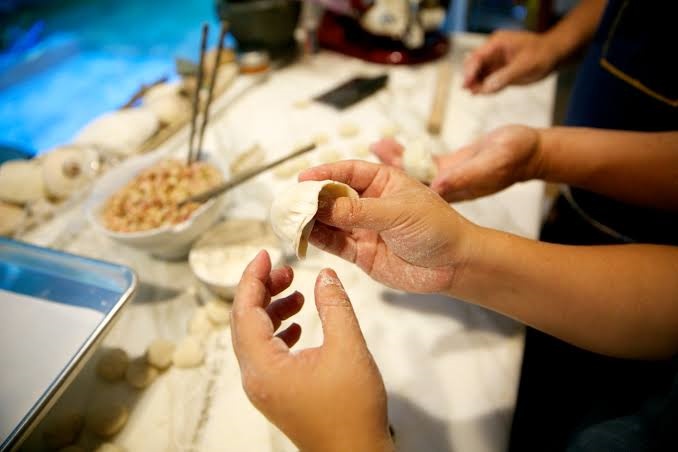
中国人过年的时候,喜欢吃饺子。特别是除夕晚上,很多家庭一起包饺子、吃饺子。
When Chinese people celebrate the New Year, they like eating dumplings. Especially on New Year’s Eve, many families make dumplings and eat dumplings together.
为什么过年吃饺子呢?第一个原因:饺子的样子像元宝。元宝是古代的钱。所以,吃饺子就是希望新年有钱、生活更好。
Why eat dumplings on New Year? The first reason: dumplings look like yuanbao. Yuanbao was ancient money. So eating dumplings means hoping for money and a better life in the New Year.

Unlock this content and all premium features with a membership. Get access to graded HSK lessons, reading materials, grammar breakdowns, online tests, and more!

Already a member? Sign in.
饺子
dumpling
noun
我喜欢吃饺子。
I like eating dumplings.
过年
to celebrate the New Year
verb
过年的时候,家人会在一起。
During the New Year, family members stay together.
除夕
New Year’s Eve
noun
除夕晚上,我们吃年夜饭。
On New Year’s Eve, we eat the reunion dinner.
家庭
family
noun
我的家庭很幸福。
My family is very happy.
包
to wrap; to make (dumplings)
verb
奶奶在包饺子。
Grandma is making dumplings.
原因
reason; cause
noun
他迟到的原因是什么?
What is the reason he is late?
样子
shape; appearance
noun
这个饺子的样子很好看。
This dumpling’s shape looks very nice.
像
to be like; to look like
verb/preposition
饺子像元宝。
Dumplings look like yuanbao.
元宝
silver/gold ingot
noun
古代的元宝是用银子做的。
Ancient yuanbao were made of silver.
古代
ancient times
noun
古代的人没有手机。
People in ancient times did not have mobile phones.
钱
money
noun
这个多少钱?
How much is this?
希望
to hope; hope
verb/noun
我希望你明天来。
I hope you come tomorrow.
生活
life; to live
noun/verb
我们的生活越来越好。
Our life is getting better and better.
全
whole; all
adjective/adverb
全家人一起吃饭。
The whole family eats together.
和面
to knead dough
verb phrase
爸爸在厨房和面。
Dad is kneading dough in the kitchen.
馅儿
filling
noun
这个饺子的馅儿很好吃。
This dumpling’s filling is very delicious.
帮忙
to help
verb
谢谢你帮忙。
Thank you for helping.
一边……一边……
while; at the same time
phrase
他一边听音乐,一边做作业。
He listens to music while doing homework.
聊天
to chat
verb
晚饭后,我们聊天。
After dinner, we chat.
食物
food
noun
这里的食物很好吃。
The food here is very delicious.
特别
special; especially
adjective/adverb
今天是个特别的日子。
Today is a special day.
里面
inside
noun
书包里面有一本书。
There is a book inside the schoolbag.
硬币
coin
noun
我口袋里有几枚硬币。
There are a few coins in my pocket.
幸运
lucky
adjective
你真幸运!
You are really lucky!
代表
to represent
verb
红色代表喜庆。
Red represents joy.
好运
good luck
noun
祝你好运!
Wish you good luck!
温暖
warm
adjective
她的话让我感到很温暖。
Her words made me feel very warm.
意思
meaning
noun
这个词是什么意思?
What does this word mean?
好吃
delicious
adjective
这个菜很好吃。
This dish is very delicious.
一起
together
adverb
我们一起吃饭吧。
Let’s eat together.
像 (xiàng)
“像” means “to look like” or “to be like.” It is used to compare two things that look similar. The structure is “A + 像 + B.”
饺子的样子像元宝。
Dumplings look like yuanbao.
她像她妈妈。
She looks like her mother.
这个苹果像一个小球。
This apple looks like a small ball.
一边……一边…… (yìbiān... yìbiān...)
“一边……一边……” means “while... and at the same time...”. It is used when two actions happen at the same time. The structure is “一边 + action 1, 一边 + action 2.”
大家一边包饺子,一边聊天。
Everyone chats while making dumplings.
他一边听音乐,一边做作业。
He listens to music while doing homework.
妈妈一边做饭,一边打电话。
Mom cooks while talking on the phone.
不只是……也…… (bù zhǐshì... yě...)
“不只是……也……” means “not only... but also...”. It is used to add another point. The structure is “不只是 + A, 也 + B.”
饺子不只是食物,也是家人的爱。
Dumplings are not only food, but also family love.
中国人过年吃饺子,不只是因为好吃。
Chinese people eat dumplings on New Year not only because they taste good.
他不只是我的老师,也是我的朋友。
He is not only my teacher, but also my friend.
学习汉语不只是记生词,也要多听多说。
Learning Chinese is not only memorizing vocabulary; you also need to listen and speak more.
Flashcards
Check Your Vocabulary
Match the Chinese, Pinyin, and English to complete the challenge.
Unlock this content and all premium features with a membership. Get access to graded HSK lessons, reading materials, grammar breakdowns, online tests, and more!
Already a member? Sign in.
中国人为什么过年吃饺子
Subscribe
Login
0 Comments
Newest