
The Chinese Way of Saying "The Fierce Woman"
What does it mean when a Chinese person calls a woman a "mother tiger"? It's not about animals—it's a playful (and sometimes risky) way to describe a fierce wife. This HSK 3 reading explains the word, its humor, and why you should use it carefully.
翻译 Translation
“母老虎”字面上的意思是“雌性的老虎”。老虎是一种很凶猛的动物。但是在中文口语里,“母老虎”常常用来形容一个女人很凶、很厉害。
"母老虎" literally means "a female tiger." A tiger is a very fierce animal. But in spoken Chinese, "母老虎" is often used to describe a woman who is very fierce and tough.
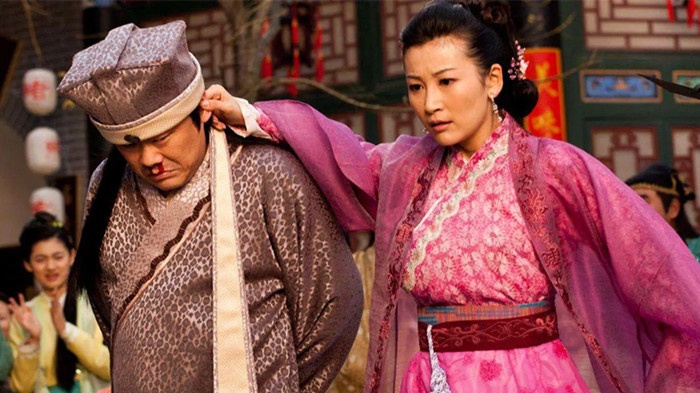
这个词经常用来开玩笑,说妻子对丈夫很凶。比如,一个男人说他的妻子是“母老虎”,意思是妻子在家里很强势,他有一点怕她。
This word is often used jokingly to say that a wife is very fierce to her husband. For example, if a man says his wife is a "mother tiger," it means his wife is very dominant at home, and he is a little afraid of her.

Unlock this content and all premium features with a membership. Get access to graded HSK lessons, reading materials, grammar breakdowns, online tests, and more!

Already a member? Sign in.
母老虎
mother tiger; fierce woman (slang)
noun
他开玩笑说他的妻子是母老虎。
He joked that his wife is a "mother tiger."
老虎
tiger
noun
老虎是森林里最凶猛的动物之一。
The tiger is one of the fiercest animals in the forest.
字面
literal meaning
noun
这个词的字面意思和实际意思不一样。
The literal meaning of this word is different from its actual meaning.
雌性
female
noun/adjective
这只老虎是雌性的。
This tiger is female.
凶猛
fierce; violent
adjective
狮子是一种凶猛的动物。
The lion is a fierce animal.
动物
animal
noun
我喜欢看动物。
I like watching animals.
口语
spoken language; colloquial speech
noun
汉语口语和书面语有些不同。
Spoken Chinese and written Chinese are somewhat different.
形容
to describe
verb
我不知道怎么形容这种感觉。
I don't know how to describe this feeling.
女人
woman
noun
那个女人是我妈妈的朋友。
That woman is my mother's friend.
凶
fierce; mean
adjective
他看起来很凶,其实很善良。
He looks fierce, but actually he is very kind.
厉害
tough; powerful; awesome
adjective
我姐姐很厉害,什么都会做。
My older sister is amazing; she can do everything.
开玩笑
to joke; to make fun
verb phrase
别生气,我只是开玩笑。
Don't be angry; I'm just joking.
妻子
wife
noun
他的妻子是一名医生。
His wife is a doctor.
丈夫
husband
noun
她的丈夫每天开车送她上班。
Her husband drives her to work every day.
强势
dominant; strong
adjective
她在工作中很强势。
She is very dominant at work.
怕
to fear; to be afraid of
verb
我弟弟怕黑。
My younger brother is afraid of the dark.
注意
to pay attention; to be careful
verb
过马路要注意安全。
Pay attention to safety when crossing the road.
好话
good words; compliment
noun
谁都喜欢听好话。
Everyone likes to hear nice words.
可能
maybe; possible
adverb/verb
明天可能下雨。
It may rain tomorrow.
高兴
happy; glad
adjective
听到这个消息,他很高兴。
Hearing this news, he was very happy.
生气
to get angry; angry
verb/adjective
弟弟弄坏了我的书,我很生气。
My younger brother ruined my book, and I was very angry.
小心
to be careful; careful
verb/adjective
路上车多,你要小心。
There are many cars on the road; you must be careful.
最好
had better; best
adverb
你最好早点儿休息。
You'd better rest earlier.
其实
actually; in fact
adverb
其实,我不太喜欢喝咖啡。
Actually, I don't like coffee very much.
称为
to be called; to be known as
verb
他被大家称为“小画家”。
He is called "little painter" by everyone.
家庭
family
noun
我的家庭很幸福。
My family is very happy.
负责
to be responsible; responsible
verb/adjective
他对工作很负责。
He is very responsible for his work.
想法
idea; thought
noun
他的想法和我不同。
His idea is different from mine.
真的
really; true
adverb/adjective
他真的不知道这件事。
He really doesn't know about this.
主见
one's own opinion; independent judgment
noun
她是一个有主见的人。
She is a person with her own opinions.
随便
casual; casually; as one pleases
adjective/adverb
你不能随便动别人的东西。
You cannot casually touch other people's things.
别人
others; other people
pronoun
我们要尊重别人。
We should respect others.
贴标签
to label; to put a label on
verb phrase
不要随便给别人贴标签。
Don't casually label others.
语言
language
noun
汉语是一种美丽的语言。
Chinese is a beautiful language.
有趣
interesting
adjective
这个游戏很有趣。
This game is very interesting.
尊重
to respect; respect
verb/noun
我们应该尊重老师。
We should respect teachers.
下次
next time
noun
下次请早点儿来。
Please come earlier next time.
听到
to hear
verb
我听到一个好消息。
I heard some good news.
笑一笑
to smile; to laugh a little
verb phrase
遇到困难,笑一笑就好了。
When you face difficulties, just smile a little and it will be fine.
用来…… (yòng lái...)
"用来……" means "be used to……" or "be used for……". It indicates the purpose or function of something. The structure is "A + 用来 + verb phrase." It is very common in everyday Chinese when explaining what something is for.
“母老虎”常常用来形容一个女人很凶。
"母老虎" is often used to describe a woman who is very fierce.
这个词经常用来开玩笑。
This word is often used to joke.
手机可以用来查地图。
A mobile phone can be used to check maps.
如果……可能…… (rúguǒ... kěnéng...)
"如果" means "if," and it introduces a condition. "可能" means "may" or "possibly," and it shows that the result is not certain. The structure is "如果 + condition, 可能 + result." This pattern is useful for talking about possible situations.
如果别人说你是“母老虎”,你可能会生气。
If someone calls you a "mother tiger," you may get angry.
如果明天下雨,我们可能不去公园。
If it rains tomorrow, we may not go to the park.
如果你不努力,可能不会成功。
If you don't work hard, you may not succeed.
最好…… (zuìhǎo...)
"最好" means "had better" or "it is best to." It is used to give advice or make a suggestion. The structure is "最好 + verb phrase." It sounds friendly and practical, and it is common in daily conversation.
这个词最好只在开玩笑的时候用。
It is best to use this word only when joking.
你最好早点儿休息。
You'd better rest a little earlier.
我们最好先问问他。
We'd better ask him first.
母老虎
Subscribe
Login
0 Comments
Newest