
Mobile Payment in China
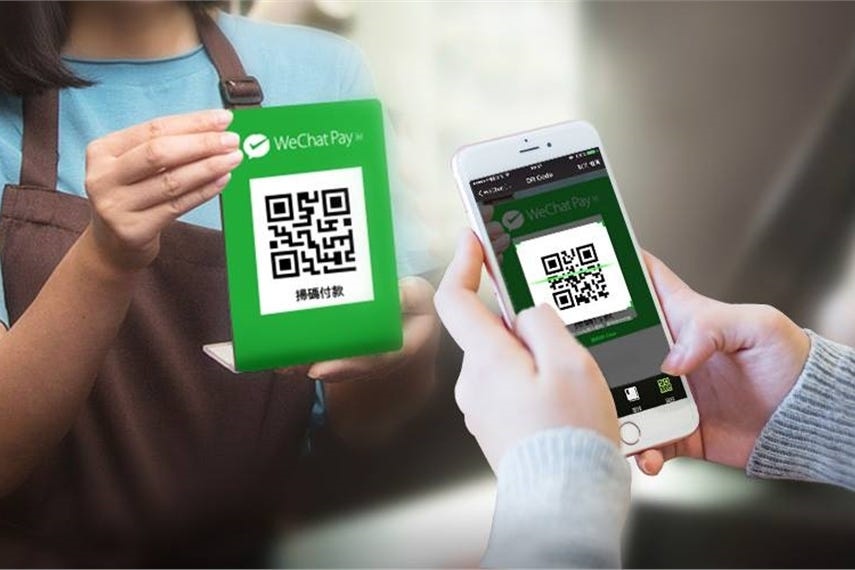
In China, you can go out with just your phone—no wallet, no cash, no bank card. You can buy breakfast, take a taxi, and even buy vegetables from an old lady on the street. This HSK 2 reading shows how mobile payment has changed everyday life in China.
翻译 Translation
在中国,很多人出门的时候不带钱包,也不带钱。他们只带一个手机。为什么呢?因为现在可以用手机付钱。
In China, many people don't bring a wallet or money when they go out. They only bring a phone. Why? Because now you can pay with your phone.
早上,小李去上班。他在路边买了一个包子和一杯豆浆。他拿出手机,对着一个小牌子照了一下,就付了钱。老板说:"好了,谢谢!"小李没有用钱,也没有用银行卡。
In the morning, Xiao Li goes to work. He buys a steamed bun and a cup of soy milk on the roadside. He takes out his phone, points it at a small sign, and pays. The boss says, "Done, thanks!" Xiao Li doesn't use cash or a bank card.

Unlock this content and all premium features with a membership. Get access to graded HSK lessons, reading materials, grammar breakdowns, online tests, and more!

Already a member? Sign in.
移动支付
mobile payment
noun
移动支付在中国很流行。
Mobile payment is very popular in China.
手机
mobile phone
noun
我的手机是新买的。
My phone is newly bought.
付钱
to pay money
verb phrase
请用手机付钱。
Please pay with your phone.
出门
to go out
verb
他每天早上七点出门。
He goes out at seven every morning.
钱包
wallet
noun
我的钱包里没有钱。
There is no money in my wallet.
带
to bring; to carry
verb
请带你的书。
Please bring your book.
钱
money
noun
这个多少钱?
How much is this?
用
to use
verb
我可以用你的手机吗?
Can I use your phone?
上班
to go to work
verb
我每天坐地铁上班。
I take the subway to work every day.
路边
roadside
noun
路边有很多小摊。
There are many small stalls on the roadside.
包子
steamed bun
noun
我早上喜欢吃包子。
I like eating steamed buns in the morning.
豆浆
soy milk
noun
一杯豆浆三块钱。
A cup of soy milk is three yuan.
杯
cup (measure word)
measure word
我要一杯咖啡。
I want a cup of coffee.
牌子
sign; plate
noun
门口有一个牌子。
There is a sign at the entrance.
照
to scan; to shine; to take a photo
verb
用手机照一下就可以了。
Just scan it with your phone.
老板
boss; shop owner
noun
老板很热情。
The boss is very warm.
银行卡
bank card
noun
我可以用银行卡付钱吗?
Can I pay with a bank card?
同事
colleague
noun
我的同事都很友好。
My colleagues are all friendly.
饭馆
restaurant
noun
这家饭馆的菜很好吃。
This restaurant's food is very delicious.
服务员
waiter; service worker
noun
服务员很热情。
The waiter is very warm.
找钱
to give change
verb phrase
用手机付钱不用找钱。
Paying with a phone doesn't need change.
数
to count
verb
他在数钱。
He is counting money.
方便
convenient
adjective
坐地铁很方便。
Taking the subway is very convenient.
出租车
taxi
noun
我坐出租车去机场。
I take a taxi to the airport.
司机
driver
noun
司机开得很快。
The driver drives very fast.
连
even
preposition/adverb
连小孩子也会用手机付钱。
Even children can pay with their phones.
老奶奶
old grandma
noun
那位老奶奶在卖菜。
That old grandma is selling vegetables.
卖
to sell
verb
他卖水果。
He sells fruit.
菜摊
vegetable stand
noun
菜摊上有很多新鲜蔬菜。
There are many fresh vegetables at the vegetable stand.
收
to receive; to collect
verb
用手机收钱很方便。
Receiving money with a phone is very convenient.
图
picture; image
noun
牌子上有一个图。
There is a picture on the sign.
客人
customer; guest
noun
客人来了,请坐。
The guest is here; please sit.
奇怪
strange; surprising
adjective
这件事很奇怪。
This matter is very strange.
从……来
to come from
phrase
他从美国来。
He comes from America.
第一次
first time
phrase
这是我第一次来中国。
This is my first time in China.
看见
to see
verb
我看见他了。
I saw him.
觉得
to feel; to think
verb
我觉得很热。
I feel very hot.
笑
to laugh; to smile
verb
他高兴地笑了。
He smiled happily.
只
only; just
adverb
我只带了一个手机。
I only brought a phone.
现在
now
noun
现在几点了?
What time is it now?
不用……也不用…… (bú yòng... yě bú yòng...)
"不用……也不用……" means "don't need... and also don't need...". It is used to say that two things are both unnecessary. The structure is "不用 + A + 也 + 不用 + B."
在中国,很多人出门的时候不带钱包,也不带钱。
In China, many people don't bring a wallet or money when going out.
服务员不用找钱,也不用数钱。
The waiter doesn't need to give change or count money.
我不用手机,也不用电脑。
I don't use a phone, and I don't use a computer either.
连……也…… (lián... yě...)
"连……也……" means "even... also...". It is used to emphasize something surprising or extreme. The structure is "连 + noun + 也 + verb."
在中国,连卖菜的老奶奶也用手机收钱。
In China, even old grandmas who sell vegetables use phones to receive money.
连小孩子也会用手机付钱。
Even children can pay with their phones.
他太忙了,连吃饭的时间也没有。
He is so busy that he doesn't even have time to eat.
就是 (jiù shì)
"就是" means "is exactly" or "is simply." It is used to emphasize that something is exactly the thing mentioned. The structure is "A + 就是 + B." It can also mean "just" in a simple, direct way.
在中国,手机就是钱包!
In China, your phone is your wallet!
他就是我的老师。
He is exactly my teacher.
这就是我喜欢的那个饭馆。
This is exactly the restaurant I like.
中国移动支付
Subscribe
Login
0 Comments
Newest