
Price and Taste: Does Expensive Wine Really Taste Better?
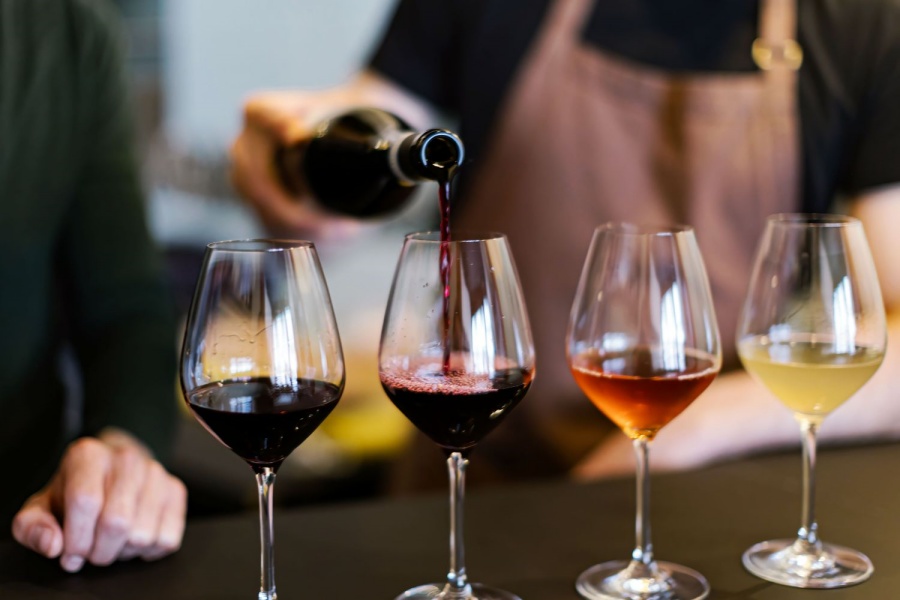
Does expensive wine really taste better? A university did a test. They asked 20 people to drink 5 wines. The wines had different prices. The people liked the more expensive wine more. But it was the same wine! This HSK 3 reading shows how price changes how we feel.
翻译 Translation
我们都知道:贵的东西不一定比便宜的东西好。但是,价格会影响我们的感觉。
We all know: expensive things are not always better than cheap things. But price affects how we feel.
一所大学请了20个人来喝5种葡萄酒,然后让他们说一说哪种好喝。这5种酒的价格分别是50元、120元、300元、500元和800元。这些人不是品酒专家。喝完以后,他们觉得贵的酒更好喝。
A university asked 20 people to drink 5 kinds of wine, and then asked them which one tasted good. The prices of these 5 wines were 50 yuan, 120 yuan, 300 yuan, 500 yuan, and 800 yuan. These people were not wine experts. After drinking, they thought the expensive wine tasted better.

Unlock this content and all premium features with a membership. Get access to graded HSK lessons, reading materials, grammar breakdowns, online tests, and more!

Already a member? Sign in.
价格
price
noun
这家店的价格很便宜。
This shop’s prices are very cheap.
贵
expensive
adjective
这个手机太贵了。
This phone is too expensive.
便宜
cheap
adjective
这里的菜很便宜。
The food here is very cheap.
质量
quality
noun
这件衣服质量很好。
This piece of clothing is of good quality.
影响
to affect; influence
verb/noun
天气会影响我的心情。
Weather can affect my mood.
感觉
feeling; to feel
noun/verb
我感觉今天很冷。
I feel very cold today.
大学
university
noun
我姐姐在北京上大学。
My older sister studies at a university in Beijing.
请
to invite; to ask
verb
我请他来我家吃饭。
I invited him to my home for dinner.
喝
to drink
verb
我想喝一杯水。
I want to drink a glass of water.
种
kind; type
measure word
我喜欢这种花。
I like this kind of flower.
葡萄酒
wine
noun
爸爸喜欢喝红葡萄酒。
Dad likes drinking red wine.
然后
then; after that
conjunction
我们先吃饭,然后去看电影。
We eat first, then go see a movie.
觉得
to feel; to think
verb
我觉得这个办法很好。
I think this method is very good.
好喝
tasty (for drinks)
adjective
这个汤很好喝。
This soup is very tasty.
专家
expert
noun
他是一位电脑专家。
He is a computer expert.
出现
to appear
verb
他的名字出现在名单上。
His name appeared on the list.
次
time (occurrence)
measure word
我去过北京两次。
I have been to Beijing twice.
标价
marked price; to mark a price
noun/verb
这件衣服的标价是多少?
What is the marked price of this clothing?
知道
to know
verb
我不知道他在哪儿。
I don’t know where he is.
喜欢
to like
verb
我喜欢吃水果。
I like eating fruit.
瓶
bottle
measure word/noun
他买了一瓶水。
He bought a bottle of water.
科学家
scientist
noun
科学家正在研究这个问题。
Scientists are studying this problem.
大脑
brain
noun
大脑需要休息。
The brain needs rest.
发现
to find; to discover
verb
我发现桌子上有一本书。
I found that there is a book on the table.
活跃
active; lively
adjective
他积极活跃参加各种活动。
He actively participates in various activities.
时候
time; moment
noun
你什么时候来我家?
When will you come to my home?
快乐
happiness; happy
noun/adjective
和家人在一起,我很快乐。
When I am with my family, I am very happy.
数字
number
noun
请写下你的电话号码数字。
Please write down your phone number.
判断
to judge; judgment
verb/noun
遇到问题时,我们要冷静判断。
When encountering problems, we should judge calmly.
不一定
not necessarily
adverb
贵的东西不一定好。
Expensive things are not necessarily good.
比
than; compared to
preposition
他比我高。
He is taller than me.
更
more; even more
adverb
今天比昨天更冷。
Today is even colder than yesterday.
分别
respectively
adverb
他们分别来自不同的国家。
They come from different countries respectively.
其实
actually; in fact
adverb
其实,我不太喜欢喝咖啡。
Actually, I don’t like coffee very much.
但是
but
conjunction
我想去,但是没有时间。
I want to go, but I don’t have time.
所以
so; therefore
conjunction
下雨了,所以我们没去公园。
It rained, so we didn’t go to the park.
只是
only; just
adverb
我只是开个玩笑。
I was just joking.
还
also; still
adverb
他还会说英语。
He can also speak English.
让
to let; to make
verb
妈妈让我早点儿睡觉。
Mom told me to go to bed earlier.
说
to say; to speak
verb
请说慢一点儿。
Please speak a little more slowly.
不一定 (bù yídìng)
“不一定” means “not necessarily” or “not always.” It is used to say that something is not always true. The structure is “Subject + 不一定 + verb/adjective.”
贵的东西不一定比便宜的东西好。
Expensive things are not necessarily better than cheap things.
明天不一定下雨。
It is not necessarily going to rain tomorrow.
他不一定同意。
He does not necessarily agree.
比……更…… (bǐ... gèng...)
“比……更……” means “more... than...”. It is used to compare two things. The structure is “A + 比 + B + 更 + adjective.”
他们觉得贵的酒更好喝。
They thought the expensive wine tasted better.
今天比昨天更冷。
Today is even colder than yesterday.
他比我更高。
He is even taller than me.
当……的时候 (dāng... de shíhou)
“当……的时候” means “when...” or “at the time of...”. It introduces a time. The structure is “当 + situation + 的时候.”
当喝酒的人知道酒很便宜的时候,大脑就感觉不到那么多快乐了。
When the drinkers knew the wine was cheap, the brain could not feel as much happiness.
当春天来的时候,天气会变暖。
When spring comes, the weather becomes warmer.
当我看到他的时候,他正在读书。
When I saw him, he was reading.
价格与味道
Subscribe
Login
0 Comments
Newest