
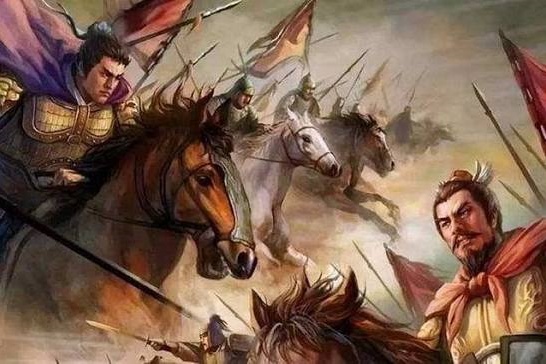
Talking War on Paper
What if someone memorized every military book but had never fought a real battle? Zhao Kuo could win any argument about war—until he faced one. This HSK 6 reading tells the story behind “纸上谈兵” and why theory without practice can destroy an army.
翻译 Translation
战国后期,有个人叫赵括,他是赵国大将赵奢的儿子。赵括从小受到父亲的影响,熟读兵书,并且还爱跟别人谈论军事,和人争论起来无往不胜,有时甚至连他父亲都说不过他。赵括因此很骄傲,自以为天下无敌。
In the late Warring States period, there was a man named Zhao Kuo, the son of Zhao She, a great general of the State of Zhao. From childhood, influenced by his father, Zhao Kuo read military books thoroughly and loved discussing military affairs with others. In arguments, he was invincible; sometimes even his father could not outargue him. Zhao Kuo therefore became very proud, believing he was unmatched in the world.
但是赵奢心里明白:自己的儿子虽然对兵书倒背如流,但是没有实际作战的经验,想法很不切实际。他曾私下里对妻子说:“儿子虽然对兵书理论都很了解,但是缺乏实际锻炼,不能当大将。如果让他当了大将,只能害了赵国。”
But Zhao She understood in his heart: although his son could recite military books fluently, he had no practical combat experience, and his ideas were very unrealistic. He once said privately to his wife: “Although our son understands military theory well, he lacks practical training and cannot be a great general. If he is made a great general, it will only harm the State of Zhao.”

Unlock this content and all premium features with a membership. Get access to graded HSK lessons, reading materials, grammar breakdowns, online tests, and more!

Already a member? Sign in.
战国
Warring States period
noun
战国时期,各国之间经常发生战争。
During the Warring States period, wars often broke out between states.
后期
late period; later stage
noun
二十世纪后期,科技发展得非常快。
In the late 20th century, technology developed very rapidly.
大将
senior general
noun
这位大将在战争中立下了很多功劳。
This senior general made many contributions in the war.
影响
influence; to influence
noun/verb
父母的一言一行都会影响孩子的成长。
Every word and action of parents influences their children’s growth.
熟读
to read thoroughly; to be well-read in
verb
他熟读了许多经典作品,所以写文章很有深度。
He has read many classic works thoroughly, so his writing has great depth.
兵书
military book; book on the art of war
noun
古代将军常常研究兵书,以提高作战能力。
Ancient generals often studied military books to improve their combat ability.
谈论
to talk about; to discuss
verb
他们正在谈论明年的旅行计划。
They are talking about next year’s travel plans.
军事
military affairs
noun
他对军事很感兴趣,经常看相关的新闻。
He is very interested in military affairs and often reads related news.
争论
to argue; argument
verb/noun
他们为这个问题争论了两个小时,还是没有结果。
They argued about this problem for two hours and still had no result.
无往不胜
invincible; ever-victorious
idiom
这支球队实力很强,几乎无往不胜。
This team is very strong and almost invincible.
骄傲
proud; arrogant
adjective
他因为取得了一点成绩就变得很骄傲。
He became very arrogant because of a small achievement.
自以为
to consider oneself; to think of oneself as
verb
他自以为自己什么都懂,其实还有很多要学的。
He thinks he knows everything, but actually there is still much to learn.
天下无敌
invincible in the world
idiom
没有人真的天下无敌,每个人都有自己的弱点。
No one is truly invincible; everyone has their own weaknesses.
明白
to understand; clear
verb/adjective
听完老师的解释,我终于明白了这道题。
After hearing the teacher’s explanation, I finally understood this problem.
倒背如流
to recite fluently; to know by heart
idiom
这首诗他倒背如流,可见他下了很大功夫。
He can recite this poem fluently, which shows he put in a lot of effort.
实际
reality; practical; actual
noun/adjective
我们的计划要考虑实际情况,不能想得太简单。
Our plan must consider the actual situation; we can’t think too simplistically.
作战
to fight; to conduct military operations
verb
士兵们在恶劣的天气条件下依然坚持作战。
The soldiers still persisted in fighting under harsh weather conditions.
经验
experience
noun
只有不断积累经验,才能提高自己的能力。
Only by continuously accumulating experience can you improve your abilities.
不切实际
unrealistic; impractical
idiom
那个目标虽然很好,但有些不切实际。
That goal is good, but it is somewhat unrealistic.
私下
privately; in private
adverb
他们私下讨论了这个问题,但没有告诉别人。
They discussed this problem privately but did not tell anyone else.
缺乏
to lack; to be short of
verb
他缺乏实际经验,所以面试没有通过。
He lacked practical experience, so he did not pass the interview.
锻炼
to train; training
verb/noun
经过一年的锻炼,他的身体比以前好多了。
After a year of training, his health is much better than before.
攻打
to attack; to assault
verb
军队准备攻打那座城市,但需要充足的准备。
The army is preparing to attack that city but needs sufficient preparation.
去世
to pass away
verb
他的祖父去年去世了,全家人都很伤心。
His grandfather passed away last year, and the whole family was very sad.
老将
veteran general; experienced player
noun
这位老将虽然年纪大了,但比赛经验非常丰富。
Although this veteran is older, his competition experience is very rich.
负责
to be responsible for; responsible
verb/adjective
这个项目由他负责,大家可以放心。
This project is handled by him, so everyone can rest assured.
指挥
to command; command
verb/noun
在紧急情况下,他冷静地指挥大家撤离。
In an emergency, he calmly commanded everyone to evacuate.
全军
the whole army
noun
全军上下团结一致,最终取得了胜利。
The whole army was united and finally achieved victory.
年纪
age
noun
他年纪不大,但做事非常成熟。
He is not old, but he handles things very maturely.
敌强己弱
the enemy is strong and we are weak
phrase
在敌强己弱的情况下,应该避免正面冲突。
When the enemy is strong and we are weak, we should avoid direct confrontation.
形势
situation; circumstances
noun
目前的形势对我们有利,我们应该抓住机会。
The current situation is favorable to us; we should seize the opportunity.
采取
to adopt; to take (measures)
verb
面对困难,我们应该采取积极的态度。
When facing difficulties, we should adopt a positive attitude.
坚守
to hold firmly; to stick to
verb
无论遇到多大的困难,他始终坚守自己的原则。
No matter how great the difficulties, he always sticks to his principles.
阵地
position; front
noun
战士们在前线坚守阵地,没有后退一步。
The soldiers held their position at the front and did not retreat a single step.
主动
active; voluntarily
adjective/adverb
她主动帮助新来的同学,大家都很喜欢她。
She voluntarily helped the new classmate, and everyone likes her.
出击
to launch an attack; to go on the offensive
verb
球队决定在下半场主动出击,争取进球。
The team decided to go on the offensive in the second half and fight for a goal.
挑战
to challenge; challenge
verb/noun
面对新的挑战,他不但没有害怕,反而更加努力。
Facing new challenges, he not only was not afraid, but worked even harder.
迎战
to meet a challenge; to face an attack
verb
队员们做好了充分准备,迎战强大的对手。
The team members made full preparations to face the strong opponent.
取胜
to win; to achieve victory
verb
只有团结合作,我们才能在这场比赛中取胜。
Only through unity and cooperation can we win this competition.
不利
unfavorable; disadvantageous
adjective
这种天气对我们的比赛很不利。
This kind of weather is very unfavorable for our competition.
疲惫不堪
extremely exhausted
idiom
连续工作了十几个小时,他疲惫不堪。
After working continuously for over ten hours, he was extremely exhausted.
粮食
grain; food
noun
粮食是生活中不可缺少的东西。
Grain is something indispensable in life.
耗尽
to use up; to exhaust
verb
为了完成这个项目,他几乎耗尽了所有精力。
In order to complete this project, he almost used up all his energy.
施行
to carry out; to implement
verb
新的交通规则将从下个月开始施行。
The new traffic rules will be implemented starting next month.
反间计
counter-espionage stratagem
noun
在古代战争中,反间计是一种常见的策略。
In ancient warfare, the counter-espionage stratagem was a common tactic.
散布
to spread; to scatter
verb
他在网上散布不实信息,受到了批评。
He spread false information online and was criticized.
谣言
rumor
noun
面对谣言,我们应该保持冷静,不要随便相信。
When facing rumors, we should stay calm and not believe them casually.
信以为真
to believe something to be true
idiom
他只是开个玩笑,没想到大家都信以为真了。
He was just joking; he didn’t expect everyone to believe it to be true.
替代
to replace; to substitute
verb
机器虽然可以替代一部分工作,但不能完全代替人。
Although machines can replace part of the work, they cannot completely replace humans.
圈套
trap; snare
noun
他太容易相信别人,结果中了别人的圈套。
He is too trusting of others, and as a result fell into someone else’s trap.
连……都/也…… (lián... dōu/yě...)
“连……都/也……” means “even...”. It emphasizes an extreme example. The structure is “连 + noun/pronoun + 都/也 + verb.” It often shows surprise or emphasis.
有时甚至连他父亲都说不过他。
Sometimes even his father could not outargue him.
他忙得连饭都没吃。
He was so busy that he did not even eat.
这道题太难了,连老师也做错了。
This question was so hard that even the teacher got it wrong.
即使……也…… (jíshǐ... yě...)
“即使……也……” means “even if... still...”. It introduces a concession: no matter what happens, the result stays the same. The structure is “即使 + condition, 也 + result.”
即使秦军多次挑战,也不出兵迎战。
Even when the Qin army challenged them many times, they still did not send troops to fight.
即使明天下雨,我们也要去。
Even if it rains tomorrow, we will still go.
即使很累,他也坚持完成任务。
Even if he is tired, he still persists in completing the task.
由……负责/指挥 (yóu... fùzé/zhǐhuī)
“由……负责/指挥” means “to be handled/commanded by...”. It shows who is responsible for an action. The structure is “由 + person/group + 负责/指挥/决定 + action.”
由老将廉颇负责指挥全军。
The veteran general Lian Po was responsible for commanding the whole army.
这次活动由小王负责。
This activity is handled by Xiao Wang.
这个项目由张经理决定。
This project is decided by Manager Zhang.
纸上谈兵
Subscribe
Login
0 Comments
Newest