
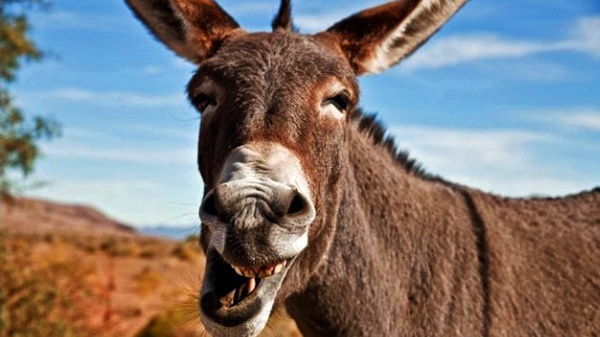
A Clever Donkey
A donkey carries salt, falls in a river, and makes a clever discovery. Later, he tries the same trick with cloth—and learns a hard lesson. This HSK 5 fable shows why experience is valuable, but only when you know when to use it.
翻译 Translation
大热天,驴子驮着几袋沉甸甸的盐往家走,不一会儿,它就又累又渴。恰在这时,它的眼前出现了一条小河,驴子赶紧冲到河边大喝了一顿,这才感觉恢复了活力。
On a very hot day, a donkey was carrying several heavy bags of salt home. Before long, it was both tired and thirsty. Just then, a small river appeared before its eyes. The donkey rushed to the riverbank and drank a lot, and only then did it feel its energy restored.
“哎呀,这河水可真清澈啊。”一踏进河里,驴子便心情舒畅地欣赏起了河底的美景。可是它光顾着看那些形状各异的鹅卵石,一不留神脚下一滑,一下子摔倒了,好在河水不太深,驴子赶紧站了起来。咦?驴子奇怪地回了回头,背上的盐袋好好地放着,怎么这分量突然减轻了许多呢?想来想去,驴子终于明白了:原来在河水里跌一跤,背的东西就能变轻。它不禁为自己的聪明得意地大叫了几声。
"Oh, this river water is really clear." As soon as it stepped into the river, the donkey happily began enjoying the beautiful scene at the bottom of the river. But it was so busy looking at those pebbles of various shapes that it was not careful for a moment, slipped, and suddenly fell down. Fortunately, the river was not too deep, and the donkey quickly stood up. Huh? The donkey turned its head in surprise. The salt bags on its back were still properly in place—so why had the weight suddenly become much lighter? After thinking it over and over, the donkey finally understood: it turned out that falling once in the river water could make the load on its back lighter. It could not help but cry out a few times proudly at its own cleverness.

Unlock this content and all premium features with a membership. Get access to graded HSK lessons, reading materials, grammar breakdowns, online tests, and more!

Already a member? Sign in.
驴子
donkey
noun
农场里有一头驴子。
There is a donkey on the farm.
驮
to carry on the back
verb
他驮着一袋米回家。
He carried a bag of rice home on his back.
沉甸甸
heavy
adjective
这个箱子沉甸甸的。
This box is heavy.
盐
salt
noun
做菜的时候要放盐。
You need to add salt when cooking.
渴
thirsty
adjective
跑完步以后,我很渴。
After running, I am very thirsty.
清澈
clear; limpid
adjective
这里的湖水非常清澈。
The lake water here is very clear.
欣赏
to appreciate; to enjoy
verb
我喜欢欣赏美丽的风景。
I like enjoying beautiful scenery.
形状
shape
noun
这个蛋糕的形状很特别。
The shape of this cake is very special.
鹅卵石
pebble
noun
河边有很多鹅卵石。
There are many pebbles by the river.
滑
to slip; slippery
verb/adjective
下雨以后,地面很滑。
After the rain, the ground is very slippery.
摔倒
to fall down
verb
他不小心摔倒了。
He accidentally fell down.
重量
weight
noun
这个箱子的重量是多少?
What is the weight of this box?
减轻
to lighten; to reduce
verb
运动可以减轻压力。
Exercise can reduce stress.
得意
pleased with oneself; proud
adjective
他得了第一名,非常得意。
He got first place and was very pleased with himself.
布匹
cloth; fabric
noun
这家店卖各种布匹。
This shop sells various kinds of cloth.
奇遇
strange adventure; chance encounter
noun
他在旅行中有一次奇遇。
He had a strange adventure during his trip.
浅
shallow
adjective
这条河很浅,可以走过去。
This river is very shallow; you can walk across it.
趴
to lie on one's stomach
verb
小狗趴在草地上。
The puppy is lying on the grass.
浸
to soak; to immerse
verb
把衣服浸在水里。
Soak the clothes in water.
不如
might as well; not as good as
conjunction/verb
今天太热了,不如在家休息。
It's too hot today; we might as well rest at home.
趁机
taking the opportunity; while one can
adverb
他趁机溜走了。
He took the opportunity to slip away.
伸懒腰
to stretch oneself
verb phrase
早上起床后,他伸了个懒腰。
After getting up in the morning, he stretched.
趔趄
stagger; to stagger
noun/verb
他打了一个趔趄,差点儿摔倒。
He staggered and almost fell.
沉
heavy
adjective
这个箱子太沉了,我拿不动。
This box is too heavy; I can't lift it.
惊呼
to cry out in surprise
verb
看到那个画面,他惊呼起来。
Seeing that scene, he cried out in surprise.
实践
practice; to practice
noun/verb
理论需要和实践结合。
Theory needs to be combined with practice.
经验
experience
noun
他有很多教学经验。
He has a lot of teaching experience.
宝贵
precious; valuable
adjective
时间非常宝贵。
Time is very precious.
有效
effective
adjective
这种学习方法很有效。
This learning method is very effective.
善于
to be good at
verb
她善于和别人交流。
She is good at communicating with others.
形势
situation; circumstances
noun
现在的形势对我们有利。
The current situation is favorable to us.
策略
strategy
noun
我们需要改变策略。
We need to change our strategy.
效果
effect; result
noun
这个办法效果很好。
This method has a very good effect.
否则
otherwise
conjunction
快点走吧,否则我们会迟到。
Let's hurry, otherwise we will be late.
聪明
smart; clever
adjective
这个孩子非常聪明。
This child is very smart.
恢复
to recover; to restore
verb
他的身体慢慢恢复了。
His health slowly recovered.
活力
vitality; energy
noun
这个城市充满了活力。
This city is full of vitality.
舒畅
happy; relaxed
adjective
听完音乐,他心情很舒畅。
After listening to music, he felt very relaxed.
美景
beautiful scenery
noun
山顶上的美景让人难忘。
The beautiful scenery on the mountaintop is unforgettable.
光顾
to be absorbed in; to patronize
verb
他光顾着说话,忘了时间。
He was so absorbed in talking that he forgot the time.
一不留神
without paying attention; carelessly
phrase
一不留神,他把杯子打碎了。
Without paying attention, he broke the cup.
分量
weight
noun
这个包裹的分量不轻。
This package is not light.
明白
to understand; clear
verb/adjective
我终于明白了他的意思。
I finally understood what he meant.
不禁
cannot help but
adverb
听到这个消息,她不禁笑了。
Hearing this news, she could not help but laugh.
主人
master; owner
noun
小狗对主人很忠诚。
The puppy is very loyal to its master.
打算
to plan; plan
verb/noun
我打算明天去图书馆。
I plan to go to the library tomorrow.
差点儿
他差点儿迟到。
He was almost late.
好几倍
several times more
phrase
这个房间比那个大好几倍。
This room is several times bigger than that one.
任何
any; whatever
pronoun/adjective
任何人都不能违反规定。
No one can violate the rules.
并非
not; is not
adverb
这件事并非那么简单。
This matter is not that simple.
越……越…… (yuè... yuè...)
"越……越……" means "the more..., the more...". It shows that as one thing changes, another thing changes along with it. The structure is "越 + adjective/verb + 越 + adjective/verb." It is very common in both spoken and written Chinese.
反正越浸水背上的东西越轻。
Anyway, the more it soaked in water, the lighter the load on its back became.
汉语越学越有意思。
The more you learn Chinese, the more interesting it becomes.
天气越来越冷了。
The weather is getting colder and colder.
只有……才…… (zhǐyǒu... cái...)
"只有……才……" means "only if... then..." or "only by... can...". It emphasizes that a certain condition must be met before a result can happen. The structure is "只有 + condition + 才 + result." It is often used to give advice or draw a conclusion.
只有善于根据时间和形势的不同选择不同的策略,才可能收到效果。
Only by being good at choosing different strategies according to differences in time and situation can one possibly achieve results.
只有努力,才能成功。
Only by working hard can one succeed.
只有多听多说,才能学好汉语。
Only by listening and speaking more can you learn Chinese well.
并非……都…… (bìngfēi... dōu...)
"并非……都……" means "not all..." or "it is not the case that all...". It is used to correct a general assumption or to say that something is not true in every case. The structure is "并非 + noun/pronoun + 都 + verb/adjective." It sounds more formal than "不是……都……".
任何通过实践得来的经验都是宝贵的,但并非任何时候都是有效的。
Any experience gained through practice is precious, but it is not effective at all times.
并非所有人都喜欢这种音乐。
Not everyone likes this kind of music.
并非每个问题都有简单的答案。
Not every question has a simple answer.
聪明的驴子
Very interesting. Good to read.