
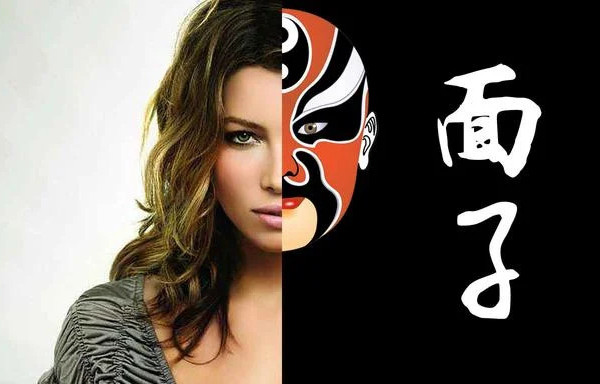
Face: The “Invisible Currency” of the Chinese People
What is "face" in Chinese culture—and why would someone buy a luxury car they can't afford just to keep it? This HSK 6 reading explores the hidden rules of face, from mahjong with friends to "slapping your face to look fat."
翻译 Translation
中国人很在意自己的面子。在英文中找不到与“面子”对应的词,它的意思大概就是指一个人的形象或名誉。在中文中,有很多关于“面子”的词汇和表达,它们都反映了中国的面子文化。
Chinese people care a lot about their "face." In English, there is no word that corresponds to "face"; its meaning roughly refers to a person's image or reputation. In Chinese, there are many words and expressions about "face," and they all reflect China's face culture.
例如:爱面子,意思是一个人很在意自己的形象,害怕被人看不起,为了不在别人面前丢面子,而去做一些自己不喜欢做的事情。例如朋友叫你一起去打麻将,虽然你不想去,但是因为很爱面子,不好意思不去,最后只好去了。没面子,是指一个人感觉很丢脸、尴尬的意思;伤面子,是指一个人觉得自尊心受到了伤害;给面子,是指照顾其他人的情面,使人面子上下得来。
For example: "loving face" means a person cares a lot about their image, is afraid of being looked down upon, and in order not to lose face in front of others, does things they don't like to do. For example, a friend asks you to play mahjong together. Although you don't want to go, because you love face, you are embarrassed not to go, and in the end you have no choice but to go. "Having no face" means a person feels very ashamed and embarrassed; "hurting face" means a person feels their self-esteem has been hurt; "giving face" means showing consideration for others' feelings and making them feel they can keep face.

Unlock this content and all premium features with a membership. Get access to graded HSK lessons, reading materials, grammar breakdowns, online tests, and more!

Already a member? Sign in.
面子
face; reputation; prestige
noun
他非常在意自己的面子。
He cares a lot about his face.
在意
to care about; to mind
verb
她不在意别人怎么看她。
She doesn't care how others see her.
对应
to correspond; corresponding
verb/adjective
这个英文单词在中文里没有对应的词。
This English word has no corresponding word in Chinese.
大概
roughly; probably
adverb/adjective
他大概下午三点到。
He will probably arrive at three in the afternoon.
形象
image; appearance
noun
公司很重视自己的公众形象。
The company attaches great importance to its public image.
名誉
reputation; honor
noun
保护好名誉比赚钱更重要。
Protecting one's reputation is more important than making money.
词汇
vocabulary; words
noun
学习一门外语需要积累大量词汇。
Learning a foreign language requires accumulating a large vocabulary.
表达
to express; expression
verb/noun
他不太善于表达自己的感情。
He is not very good at expressing his feelings.
反映
to reflect; to mirror
verb
这部电影反映了年轻人的真实生活。
This movie reflects the real lives of young people.
文化
culture
noun
中国的茶文化历史悠久。
China's tea culture has a long history.
爱面子
to love face; to care too much about one's image
verb phrase
他很爱面子,从不向别人借钱。
He loves face very much and never borrows money from others.
害怕
to fear; to be afraid
verb
她害怕在很多人面前讲话。
She is afraid of speaking in front of many people.
看不起
to look down upon; to despise
verb
不要看不起任何一个人。
Don't look down on anyone.
丢面子
to lose face
verb phrase
他在朋友面前丢面子了。
He lost face in front of his friends.
打麻将
to play mahjong
verb phrase
周末他们常常一起打麻将。
They often play mahjong together on weekends.
虽然
although
conjunction
虽然很累,他还是坚持完成了工作。
Although he was tired, he still persisted in finishing the work.
不好意思
embarrassed; sorry; excuse me
phrase
不好意思,我来晚了。
Sorry, I'm late.
只好
have no choice but to
adverb
下雨了,我们只好待在家里。
It rained, so we had no choice but to stay at home.
没面子
to have no face; to feel ashamed
phrase
被拒绝以后,他觉得没面子。
After being rejected, he felt he had no face.
丢脸
to lose face; shameful
verb/adjective
在公共场合大声吵架很丢脸。
Arguing loudly in public is very shameful.
尴尬
awkward; embarrassed
adjective
他们两个人见面时很尴尬。
The two of them felt very awkward when they met.
伤面子
to hurt someone's face
verb phrase
在别人面前批评他会伤他的面子。
Criticizing him in front of others will hurt his face.
自尊心
self-esteem
noun
他的自尊心很强,从不轻易认输。
He has strong self-esteem and never easily admits defeat.
受到
to receive; to suffer
verb
他的建议受到了大家的欢迎。
His suggestion was welcomed by everyone.
伤害
to hurt; harm
verb/noun
语言有时也会伤害别人。
Words can sometimes hurt others.
给面子
to give face; to show respect
verb phrase
他今天来参加我的生日会,很给我面子。
He came to my birthday party today, which gave me a lot of face.
照顾
我们应该照顾老人的感受。
We should show consideration for the feelings of the elderly.
情面
feelings; face; consideration
noun
看在我的情面上,你就答应他吧。
For my sake, please agree to it.
体现
to embody; to reflect
verb
他的行为体现了良好的教养。
His behavior reflects good upbringing.
淋漓尽致
thoroughly; fully
idiom/adverb
这场比赛把团队精神体现得淋漓尽致。
This competition fully demonstrated team spirit.
相比
to compare; compared with
verb/preposition
和去年相比,今年的成绩更好。
Compared with last year, this year's results are better.
质量
quality
noun
这家工厂的产品质量很好。
This factory's product quality is very good.
注重
to pay attention to; to emphasize
verb
他非常注重自己的健康。
He pays great attention to his health.
品牌
brand
noun
这个品牌的手机很受欢迎。
This brand's phones are very popular.
明明
obviously; clearly
adverb
他明明知道答案,却不说。
He clearly knows the answer but won't say it.
收入
income
noun
他的收入比去年增加了不少。
His income has increased quite a bit compared with last year.
富裕
wealthy; affluent
adjective
这个国家越来越富裕了。
This country is becoming more and more wealthy.
费尽心力
to exhaust one's efforts
phrase
他费尽心力才完成了这个项目。
He exhausted his efforts to complete this project.
甚至
even
adverb/conjunction
他忙得甚至没有时间吃饭。
He was so busy that he did not even have time to eat.
贷款
to take out a loan; loan
verb/noun
他贷款买了一套房子。
He took out a loan to buy an apartment.
豪车
那辆豪车吸引了很多人的目光。
That luxury car attracted many people's attention.
熟悉
我很熟悉这个城市。
I am very familiar with this city.
亲朋好友
noun phrase
他结婚时请了很多亲朋好友。
He invited many relatives and friends when he got married.
能力
ability; capability
noun
他有能力解决这个问题。
He has the ability to solve this problem.
与众不同
different from others; unique
idiom/adjective
她的想法总是与众不同。
Her ideas are always different from others.
面临
to face; to be faced with
verb
公司面临着巨大的挑战。
The company is facing huge challenges.
巨大
huge; enormous
adjective
这次事故造成了巨大的损失。
This accident caused huge losses.
经济压力
financial pressure
noun phrase
买房给他带来了很大的经济压力。
Buying a house brought him great financial pressure.
象征
symbol; to symbolize
noun/verb
红色在中国文化中象征着喜庆。
Red symbolizes joy in Chinese culture.
打肿脸充胖子
to slap one's face to look fat; to do things beyond one's ability for the sake of appearance
idiom
他没钱却买豪车,真是打肿脸充胖子。
He has no money but buys a luxury car—he's really slapping his face to look fat.
与……对应 (yǔ... duìyìng)
"与……对应" means "to correspond to..." or "to be equivalent to...". It is used to show a matching relationship between two things. The structure is "A + 与 + B + 对应." It is common in academic, formal, and everyday Chinese when comparing words, concepts, or data.
在英文中找不到与“面子”对应的词。
In English, there is no word corresponding to "face."
这个中文成语与英文中的那个表达并不完全对应。
This Chinese idiom does not completely correspond to that English expression.
每一个号码都与一个名字对应。
Every number corresponds to a name.
为了……而…… (wèile... ér...)
"为了……而……" means "for the sake of..." or "in order to...". It shows the purpose or reason for doing something. The structure is "为了 + purpose + 而 + action." It is often used in formal or written Chinese, and it emphasizes a deliberate choice.
为了不在别人面前丢面子,他去做一些自己不喜欢做的事情。
In order not to lose face in front of others, he does things he doesn't like to do.
很多人为了面子而贷款买豪车。
Many people take out loans to buy luxury cars for the sake of face.
他为了健康而每天坚持运动。
He exercises every day for the sake of health.
宁可……也要…… (nìngkě... yě yào...)
"宁可……也要……" means "would rather... even if it means...". It shows a strong choice: someone is willing to accept a difficult or costly option in order to achieve something they value more. The structure is "宁可 + sacrifice + 也要 + goal."
这个成语比喻一个人为了面子,宁可付出很高的代价,也要做一些自己力不能及的事情。
This idiom is a metaphor for a person who, for the sake of face, would rather pay a high price and still do things beyond their ability.
他宁可自己吃亏,也要帮助朋友。
He would rather suffer losses himself than not help his friend.
我宁可多花点时间,也要把这件事做好。
I would rather spend more time to do this well.
面子:中国人的“隐形货币”
Subscribe
Login
0 Comments
Newest