
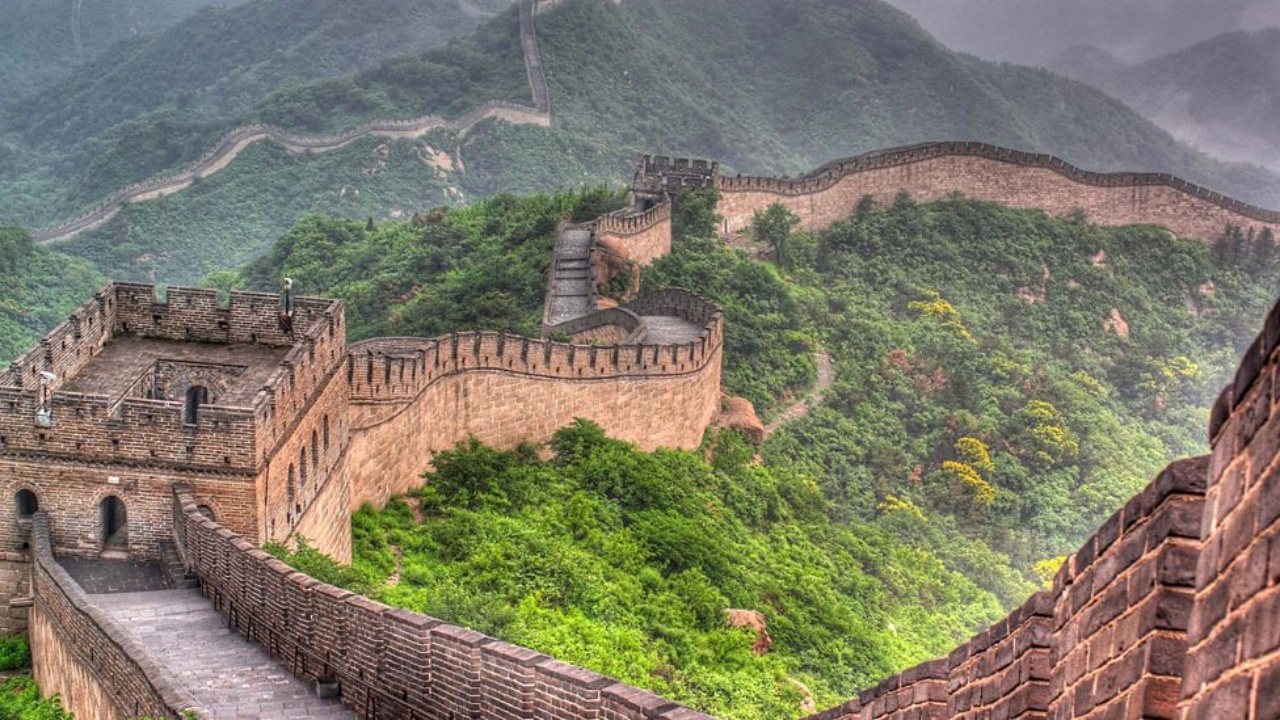
The Great Wall of China
More than 8,000 kilometers long and over 2,000 years old—the Great Wall is China's giant stone story. Why was it built? Who built it? And why do millions climb it today? This HSK 3 reading gives you the answers in simple Chinese.
翻译 Translation
中国长城是世界上最长的墙。它在北京附近,全长8851公里。长城有两千多年的历史,是古代中国最重要的建筑之一。
The Great Wall of China is the longest wall in the world. It is near Beijing, with a total length of 8,851 kilometers. The Great Wall has a history of more than 2,000 years and is one of the most important buildings in ancient China.
长城最初是为了保护国家,防止敌人进攻。古代中国人用了很多年建造它,非常辛苦。
The Great Wall was originally built to protect the country and prevent enemies from attacking. Ancient Chinese people spent many years building it, and it was very hard work.

Unlock this content and all premium features with a membership. Get access to graded HSK lessons, reading materials, grammar breakdowns, online tests, and more!

Already a member? Sign in.
中国
China
noun
中国是一个很大的国家。
China is a very big country.
长城
the Great Wall
noun
我们明天去长城。
We are going to the Great Wall tomorrow.
世界
world
noun
世界上有很多不同的国家。
There are many different countries in the world.
最
most; -est
adverb
他是我最好的朋友。
He is my best friend.
长
long
adjective
这条路很长。
This road is very long.
墙
wall
noun
墙上有一张地图。
There is a map on the wall.
附近
nearby; vicinity
noun
学校附近有一家书店。
There is a bookstore near the school.
全长
total length
noun
这座桥全长两公里。
This bridge has a total length of two kilometers.
公里
kilometer
measure word
我家离学校有三公里。
My home is three kilometers from school.
历史
history
noun
我很喜欢学习中国历史。
I like studying Chinese history very much.
古代
ancient times
noun
古代的人没有手机。
People in ancient times did not have mobile phones.
重要
important
adjective
健康非常重要。
Health is very important.
建筑
building; architecture
noun
这座建筑很漂亮。
This building is very beautiful.
之一
one of
phrase
他是我们班最好的学生之一。
He is one of the best students in our class.
最初
at first; originally
noun/adverb
我最初不想去,后来改变了主意。
At first I didn’t want to go, but later I changed my mind.
为了
in order to; for
preposition
为了学好汉语,他每天听中文歌。
In order to learn Chinese well, he listens to Chinese songs every day.
保护
to protect
verb
我们要保护环境。
We should protect the environment.
国家
country; nation
noun
中国是一个美丽的国家。
China is a beautiful country.
防止
to prevent
verb
洗手可以防止生病。
Washing hands can prevent illness.
敌人
enemy
noun
他最大的敌人是自己。
His biggest enemy is himself.
进攻
to attack
verb
球队开始进攻了。
The team began to attack.
用
to use
verb
我可以用你的手机吗?
Can I use your phone?
建造
to build; to construct
verb
他们正在建造一座新桥。
They are building a new bridge.
辛苦
hard; tiring
adjective
妈妈工作很辛苦。
Mom works very hard.
现在
now
noun
现在几点了?
What time is it now?
著名
famous
adjective
他是一个著名的医生。
He is a famous doctor.
旅游
to travel; tourism
verb/noun
暑假我想去旅游。
I want to travel during summer vacation.
景点
tourist attraction; scenic spot
noun
这个景点很有名。
This tourist attraction is very famous.
游客
tourist
noun
每年有很多游客来北京。
Many tourists come to Beijing every year.
参观
to visit
verb
我们明天去参观博物馆。
We are going to visit the museum tomorrow.
是……之一 (shì... zhī yī)
"是……之一" means "is one of...". It is used to say that something is one of a group. The structure is "A + 是 + B + 之一." It is very common in both spoken and written Chinese.
长城是中国古代最重要的建筑之一。
The Great Wall is one of the most important buildings in ancient China.
他是我们班最好的学生之一。
He is one of the best students in our class.
为了…… (wèile...)
"为了……" means "in order to..." or "for the purpose of...". It introduces the purpose or goal of an action. The structure is "为了 + purpose, + action." It is very common in both spoken and written Chinese.
长城最初是为了保护国家。
The Great Wall was originally built to protect the country.
为了学好汉语,他每天听中文歌。
In order to learn Chinese well, he listens to Chinese songs every day.
有……多年的历史 (yǒu... duō nián de lìshǐ)
"有……多年的历史" means "to have a history of more than ... years". It is used to describe how long something has existed. The structure is "A + 有 + number + 多年的历史." It is very common in both spoken and written Chinese.
长城有两千多年的历史。
The Great Wall has a history of more than 2,000 years.
这个学校有一百多年的历史。
This school has a history of more than 100 years.
长城
Subscribe
Login
0 Comments
Newest