
Making You Want It
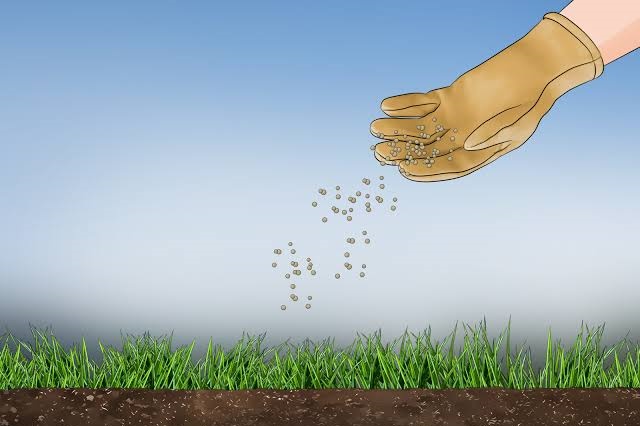
Your friend shows you a new cup, and suddenly you want one too. Chinese people call this “种草.” This beginner reading tells a simple story about a girl, a photo, and a cup—and teaches you how to use this fun word in daily life.
翻译 Translation
小丽今天看手机。她的朋友发了一张照片。照片里有一个杯子。杯子是白色的,很好看。
Xiaoli looks at her phone today. Her friend posted a photo. In the photo there is a cup. The cup is white and looks very nice.
小丽觉得这个杯子很好看。她也想买一个。她问朋友:“这个杯子在哪儿买的?”朋友说:“我给你种草了!”
Xiaoli thinks this cup looks very nice. She also wants to buy one. She asks her friend, “Where did you buy this cup?” Her friend says, “I’ve planted grass for you!” (I’ve made you want it!)

Unlock this content and all premium features with a membership. Get access to graded HSK lessons, reading materials, grammar breakdowns, online tests, and more!

Already a member? Sign in.
种草
to make someone want something; to recommend something so others want to buy it
verb
朋友给我种草了一个杯子。
My friend made me want a cup.
手机
mobile phone
noun
我每天看手机。
I look at my phone every day.
照片
photo
noun
这是一张好看的照片。
This is a nice photo.
杯子
cup
noun
桌子上有一个杯子。
There is a cup on the table.
白色
white
noun/adjective
我喜欢白色的衣服。
I like white clothes.
好看
good-looking; nice
adjective
这个杯子很好看。
This cup looks very nice.
觉得
to think; to feel
verb
我觉得这个很好。
I think this is very good.
想
to want; to think
verb
我想喝水。
I want to drink water.
买
to buy
verb
我想买一个杯子。
I want to buy a cup.
朋友
friend
noun
她是我的朋友。
She is my friend.
发
to post; to send
verb
他发了一张照片。
He posted a photo.
问
to ask
verb
我问老师一个问题。
I ask the teacher a question.
在哪儿
where
phrase
你在哪儿买的东西?
Where did you buy it?
意思
meaning
noun
这个词是什么意思?
What does this word mean?
看到
to see
verb
我看到一个好看的杯子。
I saw a nice cup.
别人
others; other people
pronoun
别人的东西不要拿。
Don’t take other people’s things.
东西
thing
noun
我喜欢吃甜的东西。
I like eating sweet things.
真的
really; true
adverb/adjective
这是真的吗?
Is this true?
种
to plant
verb
奶奶在花园里种花。
Grandma plants flowers in the garden.
花
flower
noun
这朵花很漂亮。
This flower is very beautiful.
菜
vegetable; dish
noun
妈妈去买菜。
Mom goes to buy vegetables.
网上
online
noun
网上有很多好看的照片。
There are many nice photos online.
常用
commonly used
adjective
这是一个常用词。
This is a commonly used word.
说法
expression; way of saying
noun
这是一种新的说法。
This is a new expression.
冷静
calm
adjective
遇到问题要冷静。
When you encounter problems, stay calm.
需要
to need; need
verb/noun
我需要一个杯子。
I need a cup.
因为
because
conjunction
因为下雨,我们没去公园。
Because it rained, we didn’t go to the park.
先
first
adverb
你先走,我马上来。
You go first; I’ll come right away.
再
then; again
adverb
先吃饭,再去看电影。
Eat first, then go see a movie.
一下
a little while; once
phrase
请等一下。
Please wait a moment.
觉得 + 形容词 (juéde + xíngróngcí)
“觉得” means “to think” or “to feel.” It is followed by an adjective to express an opinion about something. The structure is “Subject + 觉得 + noun + adjective.”
小丽觉得这个杯子很好看。
Xiaoli thinks this cup looks very nice.
我觉得这个菜很好吃。
I think this dish is very delicious.
他觉得今天很热。
He feels that today is very hot.
也 + 动词 (yě + dòngcí)
“也” means “also” or “too.” It is used when someone does the same thing or has the same feeling as someone else. The structure is “Subject + 也 + verb.”
小丽也想买一个。
Xiaoli also wants to buy one.
我也喜欢喝茶。
I also like drinking tea.
他也想去中国。
He also wants to go to China.
先……再…… (xiān... zài...)
“先……再……” means “first... then...”. It is used to talk about two actions in order. The structure is “先 + action 1, 再 + action 2.”
先想,再买。
Think first, then buy.
先吃饭,再去看电影。
Eat first, then go see a movie.
先洗手,再吃饭。
Wash your hands first, then eat.
种草
Subscribe
Login
0 Comments
Newest