
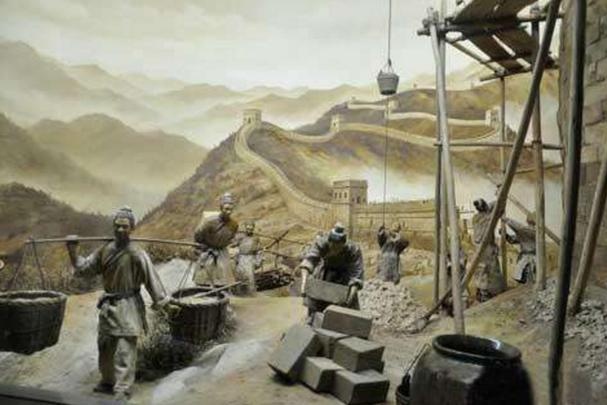
Who Built the Great Wall?
The Great Wall is often credited to Qin Shi Huang, but its story spans centuries and countless unnamed laborers. This advanced reading explores who really built it—and why the answer is far more complex than a single emperor.
翻译 Translation
提到长城,很多人立刻会想到秦始皇。然而,今天我们看到的长城,并非由某一位皇帝独自建造,而是历经多个朝代、无数劳动者共同完成的庞大工程。
When the Great Wall is mentioned, many people immediately think of Qin Shi Huang. However, the Great Wall we see today was not built by a single emperor alone, but is a massive project completed jointly by countless laborers over many dynasties.
秦始皇确实发挥了关键作用。他统一六国后,下令连接和扩建北方原有的城墙,以抵御游牧民族的进攻。这一举措奠定了长城的基本格局,但秦始皇并非从零开始建造整条长城。
Qin Shi Huang did indeed play a key role. After unifying the six states, he ordered the connection and expansion of existing walls in the north to resist attacks from nomadic peoples. This measure established the basic layout of the Great Wall, but Qin Shi Huang did not build the entire wall from scratch.

Unlock this content and all premium features with a membership. Get access to graded HSK lessons, reading materials, grammar breakdowns, online tests, and more!

Already a member? Sign in.
提到
to mention
verb
提到中国,很多人会想到长城。
When China is mentioned, many people think of the Great Wall.
立刻
immediately
adverb
听到这个消息,他立刻出发了。
Hearing this news, he set off immediately.
独自
alone; by oneself
adverb
他独自完成了这项任务。
He completed this task alone.
历经
to experience; to go through
verb
这个城市历经了很多变化。
This city has gone through many changes.
朝代
dynasty
noun
中国历史上有许多朝代。
There are many dynasties in Chinese history.
庞大
huge; enormous
adjective
这是一个庞大的工程。
This is a huge project.
工程
project; engineering
noun
这项工程需要很多人一起完成。
This project requires many people to complete together.
确实
indeed; really
adverb
他确实很努力。
He is indeed very hardworking.
关键
key; crucial
noun/adjective
成功的关键在于坚持。
The key to success lies in persistence.
统一
to unify; unified
verb/adjective
秦始皇统一了中国。
Qin Shi Huang unified China.
下令
to order; to give an order
verb
皇帝下令修建这座桥。
The emperor ordered the construction of this bridge.
连接
to connect
verb
这座桥连接了两个城市。
This bridge connects two cities.
扩建
to expand; to extend
verb
学校计划扩建图书馆。
The school plans to expand the library.
抵御
to resist; to defend against
verb
他们努力抵御寒冷。
They tried hard to resist the cold.
游牧民族
nomadic people
noun
古代游牧民族常常迁徙。
Ancient nomadic peoples often migrated.
进攻
to attack; attack
verb/noun
敌人开始进攻了。
The enemy began to attack.
举措
measure; move
noun
这是一项重要的举措。
This is an important measure.
奠定
to establish; to lay (a foundation)
verb
这次成功为他奠定了信心。
This success laid the foundation for his confidence.
格局
layout; pattern
noun
这座城市的格局很特别。
The layout of this city is very special.
从零开始
to start from scratch
phrase
他决定从零开始学习汉语。
He decided to learn Chinese from scratch.
延续
to continue; to last
verb
这种传统延续了几百年。
This tradition has continued for hundreds of years.
保护
to protect
verb
我们应该保护环境。
We should protect the environment.
丝绸之路
the Silk Road
noun
丝绸之路连接了东西方。
The Silk Road connected the East and the West.
大规模
large-scale
adjective/adverb
这是一次大规模的调查。
This is a large-scale survey.
修筑
to build; to construct
verb
他们正在修筑一条新路。
They are building a new road.
防御
to defend; defense
verb/noun
这种设计是为了防御敌人。
This design is for defending against enemies.
势力
force; power
noun
这股势力越来越大。
This force is growing larger and larger.
砖石
bricks and stones
noun
这座桥是用砖石建成的。
This bridge was built with bricks and stones.
重建
to rebuild
verb
地震后,他们重建了家园。
After the earthquake, they rebuilt their homes.
熟知
to know well
verb
这个故事大家都熟知。
Everyone knows this story well.
地段
section; area
noun
这个地段的长城很陡。
The Great Wall in this section is very steep.
年代
era; years
noun
那个年代的生活很艰苦。
Life in that era was very hard.
方式
way; method
noun
这是一种新的学习方式。
This is a new way of learning.
绝大多数
the vast majority
phrase
绝大多数学生都通过了考试。
The vast majority of students passed the exam.
姓名
full name
noun
请写下你的姓名。
Please write down your full name.
百姓
common people
noun
古代百姓的生活很不容易。
Life for common people in ancient times was not easy.
囚犯
prisoner
noun
那些囚犯被关在监狱里。
Those prisoners were locked in prison.
极其
extremely
adverb
这里的风景极其美丽。
The scenery here is extremely beautiful.
艰苦
hard; difficult
adjective
他们在艰苦的条件下坚持工作。
They persisted in working under hard conditions.
条件
condition
noun
这里的学习条件很好。
The study conditions here are very good.
搬运
to carry; to transport
verb
他们正在搬运这些箱子。
They are carrying these boxes.
烧制
to fire (bricks, pottery)
verb
这些砖是烧制出来的。
These bricks were made by firing.
劳累
exhausted; fatigue
adjective/noun
连续工作让他非常劳累。
Working continuously made him extremely exhausted.
丧生
to lose one’s life; to die
verb
那场事故中有多人丧生。
Many people lost their lives in that accident.
民间
folk; among the people
noun/adjective
这是一个民间故事。
This is a folk story.
传说
legend; it is said
noun/verb
传说这座山里有宝藏。
Legend says there is treasure in this mountain.
同情
to sympathize; sympathy
verb/noun
我很同情他的遭遇。
I sympathize with his misfortune.
归功于
to credit to; to attribute to
verb phrase
他的成功归功于努力和运气。
His success is attributed to hard work and luck.
象征
symbol; to symbolize
noun/verb
龙是中国文化的象征。
The dragon is a symbol of Chinese culture.
结晶
crystallization; fruit
noun
这本书是他多年研究的结晶。
This book is the crystallization of his years of research.
并非……而是…… (bìngfēi... ér shì...)
“并非……而是……” means “is not... but rather...”. It is used to correct a misconception and state the true situation. The structure is “并非 + A + 而是 + B.” It is more formal than “不是……而是……”.
今天我们看到的长城,并非由某一位皇帝独自建造,而是历经多个朝代、无数劳动者共同完成的。
The Great Wall we see today was not built by a single emperor alone, but was completed jointly by countless laborers over many dynasties.
他并非不想去,而是没有时间。
He doesn’t not want to go; rather, he has no time.
这件事并非他的错,而是大家的误会。
This matter is not his fault; rather, it is everyone’s misunderstanding.
谁修建了长城?
Subscribe
Login
0 Comments
Newest